


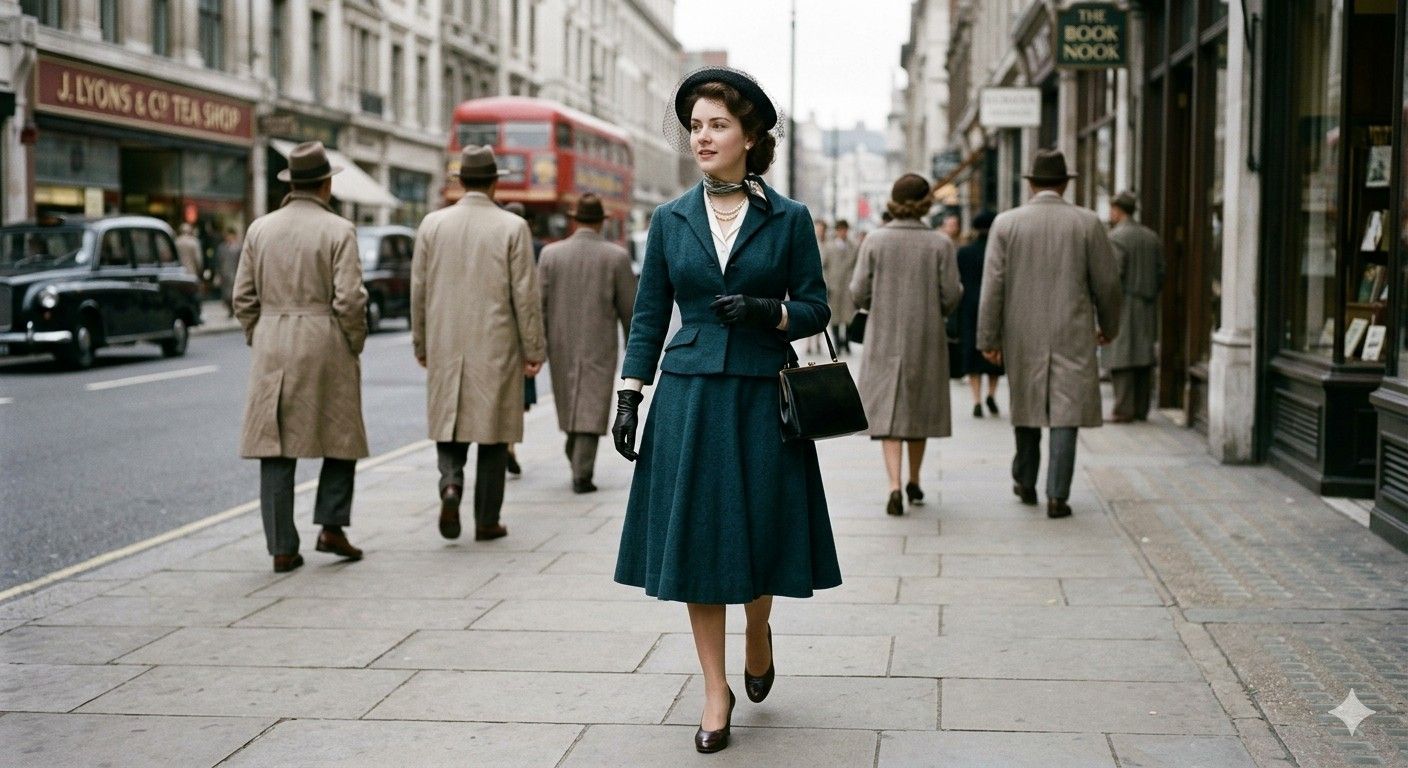
Few fashion decades remain as influential as the 1950s women’s fashion. Known for its elegant silhouettes, polished appearance, and attention to detail, the 1950s created a style legacy that continues to inspire designers, celebrities, and everyday fashion lovers around the world.
After the hardships of World War II, fashion shifted toward femininity, luxury, and self-expression. Women embraced fitted waists, full skirts, tailored dresses, gloves, pearls, and sophisticated accessories. Whether you’re researching vintage clothing, planning a retro-inspired wardrobe, or simply curious about fashion history, understanding 1950s women’s fashion reveals why this decade remains one of the most celebrated periods in style.
In this guide, you’ll discover the defining trends, wardrobe essentials, style icons, and practical ways to incorporate 1950s fashion into a modern wardrobe.
What Defined 1950s Women’s Fashion?
The 1950s marked a dramatic change from the practical clothing of the 1940s. Fashion became more glamorous and structured, emphasizing an hourglass silhouette.
Several characteristics defined 1950s women’s fashion:
- Cinched waists
- Full-circle skirts
- Pencil skirts
- Tailored dresses
- Fitted cardigans
- Elegant accessories
- Coordinated outfits
- Feminine fabrics and patterns
Fashion during this period focused on presenting a polished appearance for both casual and formal occasions.
The Influence of the New Look
One of the biggest influences on 1950s women’s fashion was the “New Look,” introduced by fashion designers in the late 1940s and popularized throughout the 1950s.
The style featured:
- Narrow shoulders
- Defined waistlines
- Full skirts extending below the knee
- Luxurious fabrics
This silhouette became the foundation of women’s fashion throughout the decade.
Essential Clothing Pieces in 1950s Women’s Fashion
Understanding the core wardrobe staples helps explain why 1950s women’s fashion remains so recognizable today.
Full Circle Skirts
The circle skirt became a symbol of the decade.
These skirts offered:
- Comfortable movement
- Feminine appeal
- Endless styling possibilities
Women often paired them with fitted blouses, sweaters, or tucked-in shirts.
Popular patterns included:
- Polka dots
- Florals
- Plaids
- Solid pastel colors
Pencil Skirts
For work and more formal settings, pencil skirts provided a sleek alternative.
Features included:
- Knee-length cuts
- High waists
- Slim silhouettes
- Tailored construction
The pencil skirt highlighted the hourglass figure that defined 1950s women’s fashion.
Shirtwaist Dresses
Shirtwaist dresses were among the most practical and versatile garments of the era.
These dresses featured:
- Button-front closures
- Fitted waists
- Structured collars
- Flared skirts
They were suitable for daily wear while maintaining a polished appearance.
Swing Dresses
Swing dresses became popular for social events and dancing.
Their flowing design allowed freedom of movement while preserving the feminine silhouette associated with 1950s women’s fashion.
Popular Fabrics and Patterns of the 1950s
Fashion trends extended beyond silhouettes. Fabrics and prints played a major role in defining the decade.
Common fabrics included:
- Cotton
- Wool
- Satin
- Taffeta
- Linen
- Velvet
Popular patterns included:
- Polka dots
- Gingham
- Floral prints
- Stripes
- Plaids
Bright colors and soft pastels were especially fashionable.
1950s Women’s Fashion for Everyday Wear
Not every woman wore glamorous dresses every day. Daily fashion balanced practicality with elegance.
A typical casual outfit might include:
- A cardigan sweater
- A blouse
- A knee-length skirt
- Low heels or saddle shoes
- Minimal jewelry
Even casual looks reflected the neat, polished standards of 1950s women’s fashion.
House Dresses and Home Style
Many women wore specially designed house dresses while managing household responsibilities.
These garments are offered:
- Comfort
- Ease of movement
- Attractive styling
Unlike modern loungewear, house dresses still maintained a fashionable appearance.
Formal and Evening Fashion in the 1950s
Formalwear represented the most glamorous side of 1950s women’s fashion.
Evening dresses often featured:
- Satin fabrics
- Strapless necklines
- Full skirts
- Elaborate embroidery
- Elegant gloves
Special occasions called for sophisticated styling, often completed with matching accessories.
Cocktail Dresses
Cocktail dresses gained popularity throughout the decade.
These dresses were ideal for:
- Dinner parties
- Social gatherings
- Evening events
Their refined appearance reflected the growing importance of social fashion.
Accessories That Completed the Look
Accessories were essential components of 1950s women’s fashion.
Women rarely left home without carefully selected finishing touches.
Popular accessories included:
- Pearl necklaces
- White gloves
- Handbags
- Scarves
- Brooches
- Belts
- Hats
Accessories helped transform simple outfits into sophisticated ensembles.
Gloves and Hats
Gloves symbolized elegance and social etiquette.
Women frequently wore gloves for:
- Church services
- Shopping trips
- Social gatherings
- Formal events
Hats were equally important and came in various styles, from pillbox hats to wide-brimmed designs.
Shoes in 1950s Women’s Fashion
Footwear complemented the decade’s feminine clothing styles.
Popular shoe styles included:
- Kitten heels
- Pumps
- Saddle shoes
- Loafers
- Peep-toe heels
Comfort and elegance were both important considerations.
For casual settings, saddle shoes became especially popular among younger women.
Beauty Trends That Matched 1950s Women’s Fashion
Fashion and beauty worked together to create the iconic look of the decade.
Hairstyles
Popular hairstyles included:
- Soft curls
- Victory rolls
- Short curled bobs
- Ponytails
- Bouffant styles
Hair was typically well-maintained and styled for a polished appearance.
Makeup Trends
1950s makeup emphasized femininity.
Key features included:
- Red lipstick
- Winged eyeliner
- Defined eyebrows
- Rosy cheeks
These beauty standards complemented the elegance of 1950s women’s fashion.
Influential Style Icons of the 1950s
Several famous women helped shape fashion trends throughout the decade.
Hollywood Inspiration
Actresses became global style references through films, magazines, and public appearances.
Influential figures included:
- Marilyn Monroe
- Audrey Hepburn
- Grace Kelly
- Elizabeth Taylor
Their wardrobes influenced millions of women worldwide and continue to inspire vintage fashion enthusiasts today.
How to Recreate 1950s Women’s Fashion Today
Modern fashion lovers can easily incorporate vintage-inspired elements into contemporary wardrobes.
Start With Key Pieces
Choose classic items such as:
- High-waisted skirts
- Fit-and-flare dresses
- Cardigans
- Structured handbags
- Pearl accessories
Balance Vintage and Modern Styles
You don’t need a complete vintage wardrobe.
Try combining:
- A 1950s-inspired skirt with a modern blouse
- Retro dresses with contemporary shoes
- Vintage accessories with everyday outfits
This approach creates a wearable look while preserving the charm of 1950s women’s fashion.
Focus on Fit
The defining feature of the decade was silhouette.
Prioritize clothing that:
- Defines the waist
- Creates balanced proportions
- Maintains clean tailoring
Fit often matters more than exact historical accuracy.
Why 1950s Women’s Fashion Remains Popular in 2025 and Beyond
Despite changing trends, 1950s women’s fashion continues to attract interest because of its timeless elegance.
Modern audiences appreciate:
- Feminine silhouettes
- High-quality tailoring
- Versatile styling options
- Vintage aesthetics
- Sustainable fashion inspiration
Many contemporary designers still reference 1950s silhouettes in collections, proving the decade’s lasting influence.
FAQs About 1950s Women’s Fashion
What was the most popular clothing item in 1950s women’s fashion?
The full-circle skirt was one of the most recognizable and popular garments. It represented the feminine silhouette that defined the decade.
Why were waistlines emphasized in the 1950s?
Fashion designers focused on creating an hourglass figure, which was considered the ideal feminine shape during the era.
What colors were popular in the 1950s?
Pastel shades, bright reds, navy blues, pinks, and floral color combinations were especially popular.
Did women wear pants in the 1950s?
Yes, although dresses and skirts were more common. Capri pants, pedal pushers, and tailored trousers became increasingly popular for casual wear.
How can I dress like the 1950s today?
Start with fit-and-flare dresses, high-waisted skirts, pearl jewelry, and classic pumps. Mixing vintage-inspired pieces with modern clothing creates an authentic yet practical look.
Why is 1950s fashion still popular?
The combination of elegance, flattering silhouettes, and timeless design makes 1950s women’s fashion appealing across generations.
Conclusion
1950s women’s fashion represents one of the most iconic periods in style history. From full skirts and tailored dresses to pearls, gloves, and polished hairstyles, the decade established fashion principles that remain influential today.
Its focus on elegance, fit, and femininity continues to inspire designers and fashion enthusiasts around the world. Whether you’re building a vintage wardrobe, researching fashion history, or looking for timeless style inspiration, the enduring appeal of 1950s women’s fashion proves that great design never goes out of style.
