


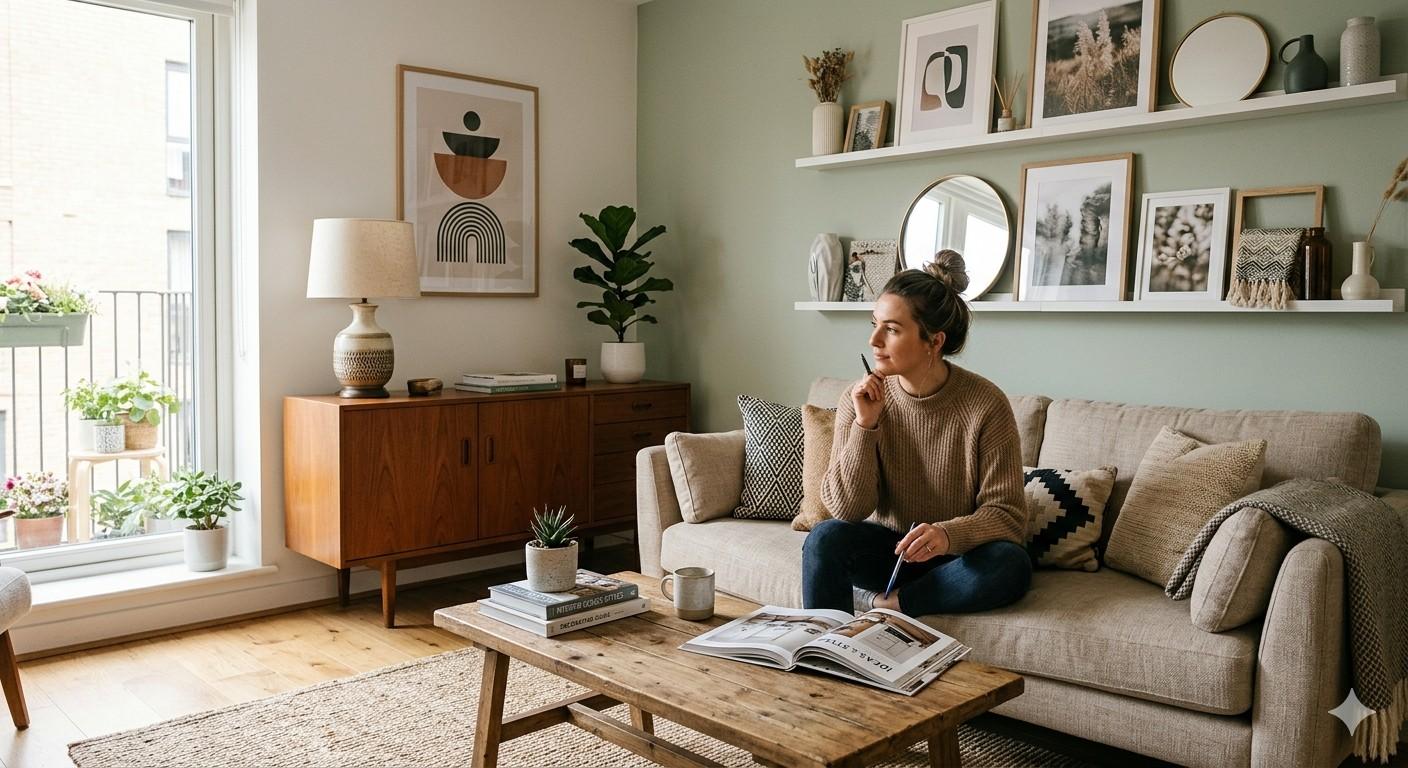
Choosing between different interior design decorating styles can feel overwhelming. One room showcases clean Scandinavian simplicity, another highlights rustic farmhouse charm, while modern luxury interiors dominate social media feeds.
The challenge isn’t finding inspiration—it’s understanding which style truly fits your space, lifestyle, and budget.
This guide breaks down the most influential interior design decorating styles, explains their defining characteristics, and helps you confidently create a cohesive home. Whether you’re redesigning a single room or planning a complete home makeover, you’ll discover practical insights, expert tips, and real-world examples that make decorating decisions easier.
Why Understanding Interior Design Decorating Styles Matters
Many homeowners make the mistake of buying furniture and decor pieces they like individually without considering an overall design direction.
The result is often a space that feels disconnected.
Learning about interior design decorating styles helps you:
- Create visual harmony
- Make smarter furniture purchases
- Save money on costly redesigns
- Improve functionality
- Increase long-term satisfaction with your home
- Develop a consistent aesthetic throughout your space
Think of a decorating style as a roadmap that guides every design decision.
The Most Popular Interior Design Decorating Styles
Modern Interior Design Style
Modern design emerged from the early 20th-century modernist movement and remains one of the most influential interior design decorating styles today.
Key Characteristics
- Clean lines
- Minimal ornamentation
- Open floor plans
- Neutral color palettes
- Functional furniture
- Natural materials
Best For
- Urban apartments
- Contemporary homes
- Minimalist lifestyles
Common Colors
- White
- Gray
- Black
- Beige
- Earth tones
Modern interiors prioritize simplicity without sacrificing comfort.
Contemporary Interior Design
People often confuse contemporary and modern styles, but they are different.
Modern refers to a specific historical design movement, while contemporary reflects current design trends.
Features of Contemporary Spaces
- Curved furniture
- Mixed materials
- Large windows
- Open layouts
- Statement lighting
- Flexible design elements
Contemporary interiors evolve, making them ideal for homeowners who enjoy staying current with design trends.
Scandinavian Interior Design Style
Among today’s most sought-after interior design decorating styles, Scandinavian design focuses on simplicity, functionality, and comfort.
Why Scandinavian Design Remains Popular
The style originated in Nordic countries, where maximizing natural light was essential.
Defining Elements
- White walls
- Light wood finishes
- Minimal clutter
- Cozy textiles
- Functional furniture
- Natural lighting
Design Tip
Add layered textures through rugs, throws, and cushions to prevent the room from feeling cold or sterile.
Farmhouse Interior Design
Farmhouse style combines rustic charm with modern comfort.
While traditional farmhouse design draws inspiration from rural homes, modern farmhouse incorporates contemporary elements for a cleaner appearance.
Signature Features
- Reclaimed wood
- Shiplap walls
- Neutral colors
- Vintage accessories
- Oversized furniture
- Warm textures
Popular Color Scheme
- Soft white
- Cream
- Beige
- Light gray
- Muted green
Farmhouse remains one of the most accessible interior design decorating styles because it blends comfort with practicality.
Industrial Interior Design
Industrial design celebrates raw architectural features rather than hiding them.
Originally inspired by converted warehouses and factories, this style has become increasingly popular worldwide.
Core Elements
- Exposed brick
- Metal accents
- Concrete surfaces
- Open ceilings
- Large windows
- Dark color palettes
Materials Commonly Used
- Steel
- Iron
- Reclaimed wood
- Leather
- Concrete
Industrial spaces often balance rugged materials with softer furnishings for comfort.
Bohemian Interior Design Style
Bohemian, often called “Boho,” embraces creativity, self-expression, and individuality.
Unlike highly structured interior design decorating styles, Boho encourages mixing patterns, textures, and cultural influences.
Boho Characteristics
- Layered textiles
- Vibrant colors
- Global-inspired decor
- Handmade accessories
- Plants and greenery
- Vintage furniture
Ideal For
- Creative individuals
- Travelers
- Art lovers
- Eclectic homeowners
The key is creating intentional abundance without making the room feel chaotic.
Mid-Century Modern Design
Mid-century modern continues to dominate design magazines and home renovation shows.
Originating between the 1940s and 1960s, this style combines functionality with timeless elegance.
Recognizable Features
- Tapered furniture legs
- Organic shapes
- Large windows
- Wood furniture
- Bold accent colors
- Clean lines
Popular Materials
- Walnut
- Teak
- Glass
- Metal
Many experts consider mid-century modern one of the most versatile interior design decorating styles because it pairs well with other aesthetics.
Traditional Interior Design
Traditional design draws inspiration from classic European interiors.
It emphasizes symmetry, elegance, and rich details.
Hallmarks of Traditional Design
- Ornate furniture
- Crown molding
- Formal layouts
- Rich fabrics
- Antique pieces
- Symmetrical arrangements
Common Colors
- Deep reds
- Navy blues
- Forest greens
- Gold accents
- Warm neutrals
Traditional spaces create a timeless and sophisticated atmosphere.
Coastal Interior Design
Coastal interiors capture the relaxed feeling of seaside living.
Modern coastal design has evolved beyond obvious beach-themed decor and now focuses on light, airy environments.
Key Design Features
- Soft blue accents
- White walls
- Natural fibers
- Open spaces
- Light wood finishes
- Ocean-inspired textures
Best Applications
- Beach houses
- Vacation homes
- Small apartments need brightness
This style promotes relaxation and visual openness.
Japandi Style: The Fastest-Growing Trend
One of the newest interior design decorating styles gaining global popularity is Japandi.
Japandi combines Japanese minimalism with Scandinavian functionality.
Why Japandi Is Trending in 2025
Modern homeowners increasingly prioritize:
- Sustainability
- Simplicity
- Wellness-focused living
- Quality over quantity
Japandi Characteristics
- Neutral color palettes
- Handcrafted furniture
- Natural materials
- Functional layouts
- Calm atmospheres
- Intentional decoration
The result is a peaceful space that feels both warm and sophisticated.
How to Choose the Right Interior Design Decorating Style
Selecting from various interior design decorating styles requires more than following trends.
Consider these factors:
1. Assess Your Lifestyle
Ask yourself:
- Do you entertain frequently?
- Do you have children or pets?
- How much maintenance can you handle?
For example, minimalist designs may work well for busy professionals, while cozy farmhouse interiors often suit families.
2. Consider Your Home’s Architecture
A style should complement the structure.
Examples include:
- Industrial for lofts
- Farmhouse for suburban homes
- Coastal for waterfront properties
- Traditional for classic architecture
3. Evaluate Natural Light
Bright spaces support:
- Scandinavian
- Coastal
- Contemporary styles
Darker rooms often benefit from:
- Traditional
- Industrial
- Moody modern interiors
4. Define Your Budget
Some styles require larger investments.
Budget-friendly options include:
- Scandinavian
- Modern
- Contemporary
Higher-cost styles often include:
- Traditional
- Luxury modern
- Custom transitional designs
Common Mistakes When Choosing Interior Design Decorating Styles
Many homeowners encounter the same problems.
Avoid these mistakes:
Following Trends Blindly
Trends change quickly. Choose a style that reflects your personal preferences.
Mixing Too Many Styles
Combining elements can work, but excessive mixing creates visual confusion.
Ignoring Functionality
Beautiful rooms should also support everyday living.
Buying Everything at Once
Great interiors evolve.
Start with foundational pieces and build gradually.
Interior Design Decorating Styles That Work Well Together
Not every style combination succeeds.
Here are proven pairings:
| Style 1 | Style 2 |
| Scandinavian | Japandi |
| Modern | Industrial |
| Traditional | Transitional |
| Coastal | Contemporary |
| Farmhouse | Modern |
Blending complementary styles allows homeowners to create unique yet cohesive spaces.
Future Trends Influencing Interior Design Decorating Styles
As we move through 2025 and beyond, several trends are shaping the evolution of design.
Sustainable Materials
Eco-friendly furniture and recycled materials continue gaining popularity.
Wellness-Centered Design
Homeowners increasingly prioritize:
- Better lighting
- Air quality
- Comfortable layouts
- Natural materials
Multifunctional Spaces
Remote work continues to influence room design.
Personalized Interiors
Rather than following strict design rules, homeowners are creating customized versions of popular interior design styles.
Frequently Asked Questions
What are the main interior design decorating styles?
The most popular styles include modern, contemporary, Scandinavian, farmhouse, industrial, bohemian, traditional, coastal, mid-century modern, and Japandi.
Which interior design style is best for small homes?
Scandinavian, modern, and Japandi styles work especially well in smaller spaces because they emphasize simplicity, light colors, and functional furniture.
Can I combine multiple interior design decorating styles?
Yes. Many successful homes blend two complementary styles, such as modern-industrial or Scandinavian-Japandi.
What is the difference between modern and contemporary design?
Modern design refers to a specific design movement, while contemporary design reflects current trends and evolves.
Which decorating style is most timeless?
Traditional, mid-century modern, and Scandinavian styles consistently remain popular because of their balanced aesthetics and functionality.
Conclusion
Understanding interior design decorating styles is the foundation of creating a home that looks cohesive, feels comfortable, and reflects your personality. From the simplicity of Scandinavian interiors to the warmth of farmhouse design and the sophistication of Japandi spaces, each style offers unique advantages.
Instead of chasing every trend, focus on how you live, what inspires you, and which design elements genuinely enhance your daily life. By choosing a style that aligns with your needs and preferences, you’ll create a space that remains beautiful and functional for years to come.
Start by identifying one style that resonates most with you, then gradually build your home around its core principles for a polished and timeless result.
