


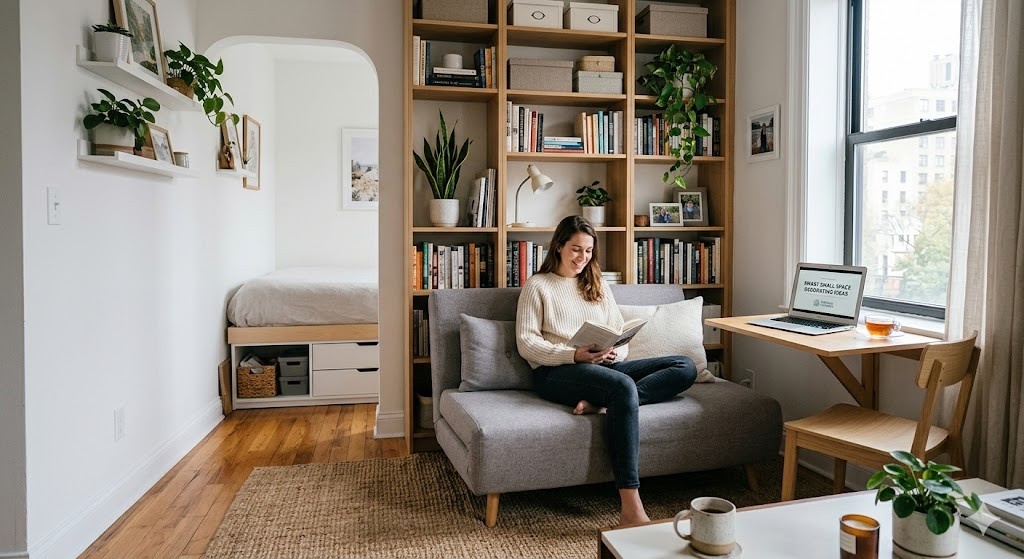
Living in a compact home, apartment, studio, or small room doesn’t mean you have to compromise on comfort or style. In fact, limited square footage often inspires the most creative design solutions. The key is learning how to make every inch work harder while maintaining a welcoming and visually appealing environment.
Many people assume that decorating a small space is simply about using smaller furniture. While scale matters, successful small-space design goes much deeper. It involves thoughtful planning, strategic storage, smart color choices, and creative ways to create the illusion of openness.
Whether you’re furnishing a tiny apartment, refreshing a compact bedroom, or upgrading a small living room, these small space decorating ideas will help you transform cramped areas into functional and beautiful living spaces.
Start With a Purpose-Driven Layout
Before buying furniture or selecting décor, evaluate how the room is used daily. Every item should serve a purpose.
Identify Your Primary Activities
Ask yourself:
- Do you work from home?
- Do you entertain guests often?
- Do you need additional storage?
- Is relaxation your top priority?
Understanding your needs helps prevent overcrowding and unnecessary purchases.
Create Functional Zones
Even the smallest room can serve multiple purposes.
For example:
- A studio apartment can include a sleeping area, workspace, and a lounge corner.
- A small living room can feature a reading nook beside the main seating area.
- A bedroom can double as a home office with a compact desk setup.
Strategic zoning helps a room feel organized rather than cluttered.
Choose Furniture That Works Overtime
Multi-functional furniture is one of the smartest investments for small homes.
Opt for Pieces With Hidden Storage
Furniture that doubles as storage helps reduce visible clutter.
Popular options include:
- Storage ottomans
- Lift-top coffee tables
- Beds with built-in drawers
- Benches with concealed compartments
- Storage cubes
These solutions provide functionality without taking up additional floor space.
Consider Expandable Furniture
Flexible furniture adapts to changing needs.
Examples include:
- Foldable dining tables
- Extendable desks
- Nesting tables
- Murphy beds
- Drop-leaf tables
When not in use, these pieces free up valuable space.
Avoid Bulky Designs
Heavy furniture can visually overwhelm a compact area.
Instead, choose:
- Slim profiles
- Open-frame designs
- Furniture with visible legs
- Glass or acrylic pieces
These elements create a lighter, airier appearance.
Use Vertical Space to Your Advantage
One of the biggest mistakes in small-space decorating is ignoring wall space.
Install Floor-to-Ceiling Shelving
Tall shelving units draw the eye upward and maximize storage capacity.
They are ideal for:
- Books
- Decorative accessories
- Plants
- Storage baskets
- Office supplies
Vertical storage keeps floors clear and rooms feeling larger.
Utilize Wall-Mounted Solutions
Wall-mounted features save valuable floor space.
Consider adding:
- Floating shelves
- Wall desks
- Hanging organizers
- Mounted lighting
- Pegboard systems
These additions increase functionality without crowding the room.
Make Doors Work Harder
The backs of doors often go unused.
Add:
- Over-the-door hooks
- Shoe organizers
- Hanging baskets
- Accessory storage racks
This simple strategy creates hidden storage opportunities.
Create the Illusion of More Space
Decorating isn’t only about functionality. Visual perception plays a major role in how spacious a room feels.
Incorporate Mirrors Strategically
Mirrors reflect light and visually expand interiors.
Place mirrors:
- Opposite windows
- Behind furniture
- Along narrow hallways
- Near light sources
A well-positioned mirror can instantly make a room feel twice as large.
Keep Sight Lines Open
Avoid blocking views across the room.
Instead:
- Use lower-profile furniture
- Limit oversized décor
- Arrange pieces to encourage flow
Open sight lines create a stronger sense of spaciousness.
Choose Consistent Design Elements
Too many competing colors, patterns, and styles can make a room feel chaotic.
A cohesive design scheme creates visual continuity and makes small spaces feel more organized.
Select Colors That Enhance Openness
Color has a significant impact on spatial perception.
Embrace Light and Neutral Foundations
Soft colors naturally reflect more light.
Popular options include:
- Warm white
- Light gray
- Cream
- Beige
- Soft taupe
These shades create an open and calming atmosphere.
Add Depth Through Accent Colors
A small room doesn’t have to be boring.
Introduce personality through:
- Throw pillows
- Artwork
- Rugs
- Decorative accessories
A few carefully chosen accents provide interest without overwhelming the space.
Consider Monochromatic Styling
Using varying shades of the same color creates visual harmony.
This approach reduces contrast and helps rooms feel larger and more cohesive.
Maximize Natural and Artificial Lighting
Light is one of the most powerful tools in small-space design.
Keep Windows Unobstructed
Heavy curtains can make rooms feel enclosed.
Instead, choose:
- Sheer drapes
- Light-filtering shades
- Minimal window treatments
Allowing natural light to flow freely instantly brightens the space.
Layer Multiple Light Sources
Relying on a single ceiling fixture often creates shadows.
Combine:
- Floor lamps
- Table lamps
- Wall sconces
- Accent lighting
Layered lighting adds depth and warmth.
Use Reflective Surfaces
Materials that bounce light around a room help enhance brightness.
Examples include:
- Glass
- Metallic finishes
- Glossy accents
- Mirrored décor
Reflective surfaces contribute to a more open appearance.
Keep Clutter Under Control
Even the best design loses effectiveness when clutter takes over.
Follow the One-In, One-Out Rule
Whenever a new item enters your home, consider removing another.
This simple habit prevents accumulation and keeps belongings manageable.
Use Decorative Storage
Storage solutions don’t have to be unattractive.
Try:
- Woven baskets
- Fabric bins
- Decorative boxes
- Stylish cabinets
Functional storage can also enhance your décor.
Edit Accessories Regularly
Too many decorative items can overwhelm a small room.
Instead of displaying everything at once:
- Rotate seasonal décor
- Showcase favorite pieces
- Leave breathing room between objects
A curated look often feels more sophisticated.
Decorate With Scale and Proportion in Mind
Choosing appropriately sized décor is essential in compact interiors.
Use Larger Statement Pieces Sparingly
Many people assume small rooms require tiny décor.
However, one larger piece often works better than multiple small items.
Examples include:
- Oversized artwork
- A statement mirror
- A large floor plant
These focal points create impact without visual clutter.
Maintain Balance
Avoid placing all large items on one side of the room.
Balanced arrangements improve visual harmony and help spaces feel more comfortable.
Leave Some Empty Space
Not every wall or surface needs decoration.
Intentional negative space allows the room to breathe and prevents a crowded appearance.
Add Personality Without Sacrificing Function
A small home should still reflect your style and character.
Incorporate Meaningful Décor
Choose items that tell a story.
Examples include:
- Travel souvenirs
- Family photographs
- Handmade artwork
- Vintage finds
Meaningful pieces create a personal connection to the space.
Introduce Plants Thoughtfully
Plants add life, texture, and color.
Great options for compact rooms include:
- Pothos
- Snake plants
- ZZ plants
- Hanging greenery
Vertical plants work especially well in small homes.
Focus on Quality Over Quantity
Instead of filling a room with numerous accessories, invest in fewer high-quality pieces that deliver greater visual impact.
Room-Specific Small Space Decorating Ideas
Small Living Room
- Use a compact sectional.
- Mount the television on the wall.
- Choose nesting tables.
- Incorporate hidden storage furniture.
- Keep the color palette cohesive.
Small Bedroom
- Install floating nightstands.
- Utilize under-bed storage.
- Choose wall-mounted reading lights.
- Add a large mirror.
- Use vertical shelving.
Small Home Office
- Select a wall-mounted desk.
- Organize cables neatly.
- Use vertical storage systems.
- Prioritize task lighting.
- Limit desktop clutter.
Small Dining Area
- Use extendable tables.
- Consider bench seating.
- Install floating shelves nearby.
- Use mirrors to create depth.
- Choose lightweight chairs.
FAQs
1. What colors make a small room look bigger?
Light neutrals such as white, cream, beige, and soft gray reflect more light and help create a spacious appearance.
2. How can I decorate a small room without making it feel crowded?
Focus on multi-functional furniture, vertical storage, limited accessories, and a cohesive color palette to maintain visual openness.
3. Are mirrors effective in small spaces?
Yes. Mirrors reflect both natural and artificial light, making rooms appear larger and brighter.
4. What type of furniture is best for compact homes?
Furniture with built-in storage, foldable features, and slim profiles is ideal for maximizing functionality in limited spaces.
5. How do I add storage to a small room?
Utilize vertical shelving, under-bed storage, wall-mounted organizers, storage benches, and hidden compartments within furniture.
6. Should small spaces use dark colors?
Dark colors can work as accents or feature walls, but lighter shades generally help create a more open and airy atmosphere.
7. What decorating mistake should I avoid in a small room?
Overcrowding the space with excessive furniture or accessories is one of the most common mistakes. Prioritize functionality and simplicity.
Conclusion
Decorating a small space successfully is less about square footage and more about smart decision-making. By selecting multi-functional furniture, maximizing vertical storage, controlling clutter, using strategic lighting, and creating visual openness, even the smallest rooms can feel comfortable, stylish, and highly functional.
The best small space decorating ideas combine practicality with personality. Rather than trying to fit everything into a room, focus on choosing elements that genuinely support your lifestyle. With thoughtful planning and creative design choices, any compact space can become a beautiful, efficient home that feels far larger than its dimensions suggest.
