


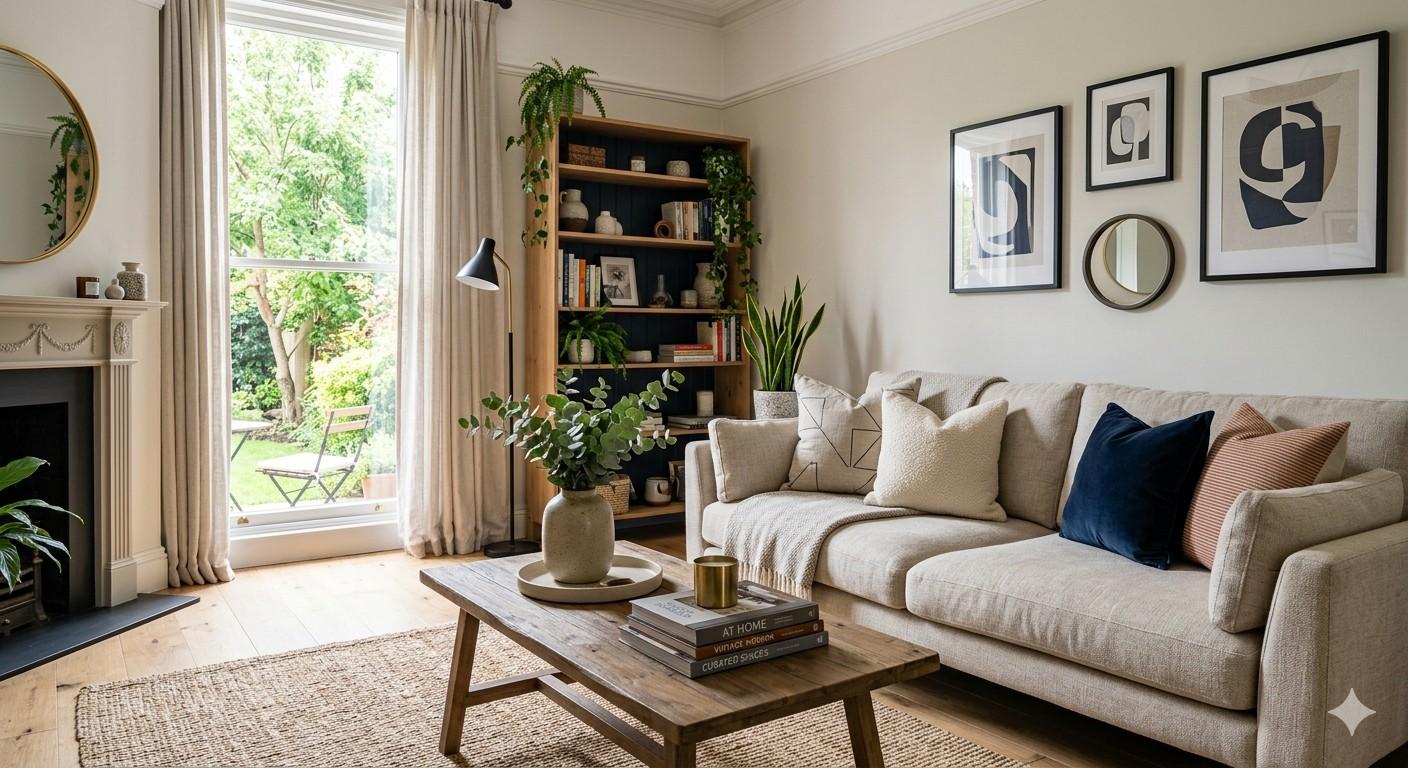
A well-decorated home does more than look attractive—it shapes how you feel, work, relax, and connect with others. The best interiors are not necessarily the most expensive ones. Instead, they reflect personality, functionality, and thoughtful design choices.
Whether you’re moving into a new home, refreshing a single room, or simply looking for inspiration, the right home decor ideas can completely transform your living environment. Small adjustments such as rearranging furniture, adding texture, introducing greenery, or upgrading lighting often create a bigger impact than major renovations.
This guide explores practical and creative home decor ideas that work across different styles, budgets, and room sizes, helping you create a space that feels both beautiful and uniquely yours.
Understanding the Foundation of Great Home Decor
Before purchasing furniture or accessories, it’s important to understand what makes a room feel cohesive.
Balance Function and Style
A room should look appealing without sacrificing comfort or usability. Decorative choices should support daily life rather than complicate it.
For example:
- A stylish coffee table should still provide usable surface space.
- Decorative storage baskets should help reduce clutter.
- Accent chairs should be comfortable enough for regular use.
When functionality and aesthetics work together, the entire space feels more intentional.
Define a Consistent Design Direction
You don’t need to follow a single design style strictly, but having a general direction helps maintain visual harmony.
Popular approaches include:
- Modern
- Scandinavian
- Contemporary
- Farmhouse
- Industrial
- Coastal
- Minimalist
- Bohemian
Choose elements that complement one another rather than competing for attention.
Transforming Living Areas with Strategic Decor Choices
The living room often serves as the visual centerpiece of a home.
Create a Focal Point
Every room benefits from a feature that naturally draws attention.
Common focal points include:
- A statement wall
- Fireplace
- Large artwork
- Built-in shelving
- Oversized mirror
Once a focal point is established, arrange surrounding furniture to support it rather than distract from it.
Layer Textures for Depth
Rooms often feel flat when every surface has similar materials.
Introduce variety through:
- Velvet cushions
- Linen curtains
- Wool rugs
- Wooden furniture
- Metal accents
Layering textures creates richness and visual interest without overwhelming the room.
Use Rugs to Define Spaces
Area rugs help organize open layouts and create a sense of structure.
A properly sized rug should:
- Extend beneath major furniture pieces
- Anchor seating arrangements
- Complement the room’s color palette
Many homeowners choose rugs that are too small, which can make spaces feel disconnected.
Making Small Rooms Feel Larger
Limited square footage doesn’t have to limit style.
Maximize Natural Light
Natural light instantly makes rooms appear larger and more inviting.
To increase brightness:
- Use sheer curtains
- Keep windows unobstructed
- Incorporate reflective surfaces
- Position mirrors strategically
Mirrors can effectively bounce light around a room while creating the illusion of additional space.
Choose Multi-Purpose Furniture
Furniture that serves multiple functions helps reduce clutter.
Examples include:
- Storage ottomans
- Sofa beds
- Nesting tables
- Lift-top coffee tables
- Beds with built-in drawers
These pieces improve efficiency while maintaining a clean appearance.
Embrace Vertical Space
Many homeowners focus solely on floor space and ignore walls.
Take advantage of vertical areas through:
- Floating shelves
- Tall bookcases
- Wall-mounted lighting
- Vertical artwork arrangements
This approach adds storage and visual interest without consuming valuable floor area.
Bringing Personality Into Your Home
Beautiful interiors become memorable when they reflect the people who live in them.
Display Meaningful Artwork
Art doesn’t have to be expensive to be impactful.
Consider:
- Family photography
- Travel prints
- Local artwork
- Framed illustrations
- Personal creative projects
A curated collection tells a story and makes a home feel authentic.
Create Thoughtful Styling Moments
Instead of filling every surface with decor, create intentional arrangements.
A simple shelf display might include:
- Books
- A small plant
- Decorative object
- Framed photo
Grouping items in odd numbers often creates a more natural visual balance.
Mix Old and New Elements
Combining contemporary pieces with vintage finds adds character and prevents rooms from feeling overly staged.
Examples include:
- Antique mirrors paired with modern furniture
- Vintage side tables alongside contemporary sofas
- Traditional artwork in modern spaces
The contrast creates visual depth and uniqueness.
Decorating with Color More Effectively
Color influences mood more than almost any other design element.
Start with a Neutral Base
Neutral foundations provide flexibility and longevity.
Popular options include:
- Warm white
- Soft beige
- Greige
- Light gray
- Cream
A neutral backdrop allows accent colors to stand out without dominating the room.
Add Color Through Accessories
Instead of committing to bold permanent features, introduce color through:
- Throw pillows
- Artwork
- Decorative vases
- Blankets
- Curtains
This makes seasonal updates easier and more affordable.
Consider Emotional Impact
Different colors create different atmospheres.
- Blue promotes calmness.
- Green creates balance.
- Yellow adds energy.
- Earth tones provide warmth.
- Soft neutrals encourage relaxation.
Choose colors that support the room’s intended purpose.
The Often-Overlooked Power of Lighting
Even the most beautiful room can feel uninspiring with poor lighting.
Layer Multiple Light Sources
Relying on a single ceiling fixture often creates harsh shadows.
A balanced lighting plan includes:
Ambient Lighting
Provides overall illumination.
Examples:
- Ceiling fixtures
- Recessed lighting
- Chandeliers
Task Lighting
Supports specific activities.
Examples:
- Reading lamps
- Desk lights
- Under-cabinet lighting
Accent Lighting
Highlights decorative features.
Examples:
- Wall sconces
- Picture lights
- LED shelf lighting
Combining all three layers creates warmth and dimension.
Upgrade Light Fixtures
Replacing outdated fixtures can dramatically modernize a room without major expense.
Popular options include:
- Sculptural pendants
- Contemporary chandeliers
- Minimalist sconces
- Statement floor lamps
Lighting often functions as both decor and utility.
Incorporating Natural Elements
Nature-inspired design remains popular because it creates comfort and balance.
Introduce Indoor Plants
Plants add life, texture, and freshness.
Beginner-friendly options include:
- Snake plants
- ZZ plants
- Pothos
- Spider plants
- Peace lilies
Even a few strategically placed plants can soften a room’s appearance.
Use Organic Materials
Natural materials contribute warmth and timeless appeal.
Consider incorporating:
- Wood
- Stone
- Rattan
- Bamboo
- Cotton
- Linen
These materials help create a welcoming atmosphere that feels grounded and authentic.
Budget-Friendly Home Decor Ideas
Refreshing your home doesn’t require a large budget.
Rearrange Existing Furniture
Sometimes a new layout creates more impact than purchasing new items.
Experiment with:
- Alternative seating arrangements
- Different focal points
- Improved traffic flow
A simple furniture refresh can make a room feel completely different.
Update Hardware
Replacing cabinet handles, drawer pulls, and door hardware provides a surprisingly noticeable upgrade.
Small details often have a significant visual impact.
Refresh Walls Creatively
Instead of expensive renovations, consider:
- Gallery walls
- Peel-and-stick wallpaper
- Painted accent walls
- Decorative molding
These updates can dramatically change a room’s character.
Expert Insights for a More Designer-Like Look
Professional designers often follow a few principles that anyone can apply.
Leave Breathing Room
Not every wall or surface needs decoration.
Space helps important elements stand out and prevents visual clutter.
Prioritize Scale and Proportion
A common decorating mistake is selecting pieces that are too small.
Examples:
- Tiny rugs in large rooms
- Small artwork above large sofas
- Undersized lighting fixtures
Proper scale creates balance and sophistication.
Edit Regularly
Great design often involves removing items rather than adding them.
Periodically evaluate your decor and eliminate pieces that no longer contribute to the overall vision.
Common Home Decorating Mistakes to Avoid
Buying Everything at Once
Rooms developed gradually often feel more personal and refined than spaces furnished in a single shopping trip.
Ignoring Lighting Quality
Beautiful furniture cannot compensate for poor lighting design.
Following Trends Blindly
Trends come and go. Focus on timeless foundations and use trends sparingly through accessories.
Overcrowding Rooms
Too much furniture can make spaces feel smaller and less functional.
Neglecting Personal Style
A home should reflect its occupants rather than imitate a showroom.
Frequently Asked Questions
1. What is the easiest way to update home decor?
Refreshing throw pillows, artwork, lighting fixtures, and decorative accessories can instantly modernize a room without major renovations.
2. How can I decorate my home on a limited budget?
Focus on rearranging furniture, adding plants, updating hardware, creating gallery walls, and using affordable textiles such as cushions and rugs.
3. Which colors make rooms look bigger?
Light neutrals, soft whites, pale grays, and gentle earth tones generally create a more spacious appearance.
4. How many decor styles can I mix in one room?
Two or three complementary styles can work well when connected through a consistent color palette and balanced design elements.
5. What decor item provides the biggest visual impact?
Large area rugs, statement lighting, oversized artwork, and mirrors often create the most noticeable transformation.
6. How do I make my home look more luxurious?
Focus on layered lighting, quality textiles, cohesive color schemes, thoughtful styling, and minimizing clutter.
7. Are indoor plants necessary for good decor?
Not essential, but plants add natural texture, color, and freshness that can significantly enhance a room’s atmosphere.
8. How often should home decor be updated?
Major updates may occur every few years, while smaller seasonal changes can keep spaces feeling fresh throughout the year.
Conclusion
Creating a beautiful home isn’t about following strict design rules or spending large amounts of money. The most successful interiors combine comfort, personality, and functionality in ways that support everyday living. By focusing on thoughtful furniture placement, balanced color schemes, layered lighting, natural materials, and meaningful decorative elements, you can transform any space into one that feels welcoming and visually appealing.
The best home decor ideas are ultimately those that reflect your lifestyle and personal taste. Start with small changes, build gradually, and create a home that not only looks exceptional but also feels genuinely enjoyable to live in every day.
