


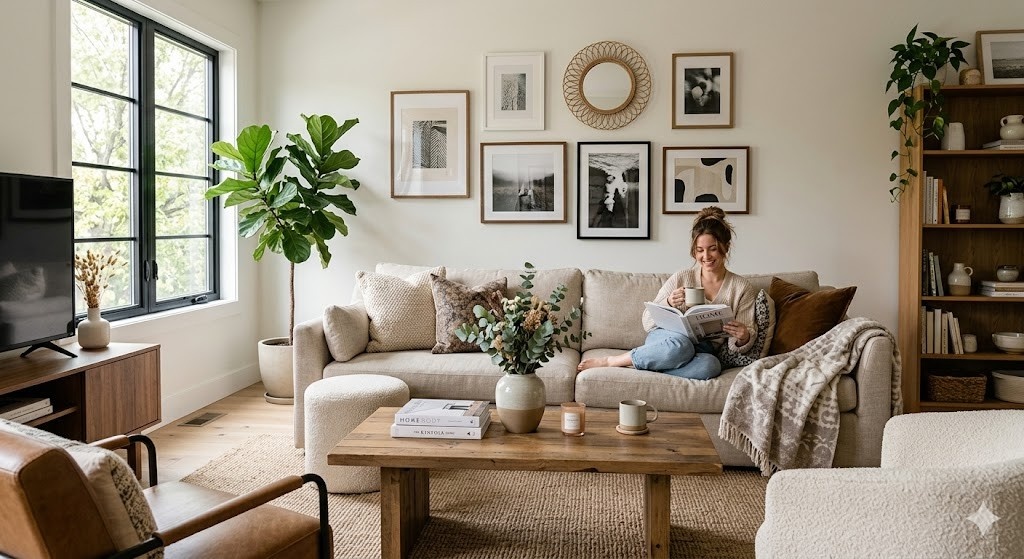
The living room is often the most used area in a home. It serves as a place for relaxation, entertaining guests, spending time with family, and sometimes even working remotely. Because of its central role, designing a living room that feels comfortable, functional, and visually appealing can significantly improve your overall living experience.
Whether you’re updating an existing room or starting from scratch, the right living room decor ideas can help you create a space that reflects your personality while maximizing comfort and style. From choosing the perfect color palette to incorporating decorative accents, every detail contributes to the overall atmosphere.
This guide explores practical, stylish, and timeless ideas that can elevate any living room, regardless of size or budget.
Start With a Purpose-Driven Layout
Before selecting furniture or decorative pieces, consider how the room will be used daily. A thoughtful layout forms the foundation of successful living room design.
Define the Room’s Primary Function
Ask yourself what activities happen most often in the space. Is it mainly for family gatherings, entertaining guests, watching television, reading, or a combination of purposes? Understanding the room’s function helps determine furniture placement and design priorities.
Create Natural Conversation Areas
Arrange seating to encourage interaction. Sofas and chairs should face each other whenever possible, creating a welcoming environment that promotes conversation and connection.
Leave Room for Movement
Avoid overcrowding the space. Maintaining clear walkways makes the room feel more open and comfortable while improving functionality.
Build a Cohesive Color Palette
Color has a powerful influence on mood and perception. Choosing the right palette can completely transform the character of your living room.
Embrace Neutral Foundations
Soft shades like beige, cream, gray, and warm white provide a versatile backdrop. Neutral walls and larger furniture pieces allow you to experiment with changing accents over time.
Add Strategic Accent Colors
Introduce personality through accent colors in cushions, artwork, rugs, and decorative accessories. Popular choices include deep green, navy blue, terracotta, mustard yellow, and dusty rose.
Balance Light and Dark Elements
Combining lighter and darker tones creates visual depth and prevents the room from feeling flat or monotonous.
Choose Furniture That Combines Style and Function
Furniture is often the largest visual element in a living room, making selection especially important.
Invest in a Comfortable Sofa
The sofa typically serves as the room’s centerpiece. Choose a design that balances comfort, durability, and aesthetics. Consider fabric performance, seat depth, and overall scale.
Mix Different Seating Options
Adding armchairs, ottomans, benches, or accent chairs creates flexibility while enhancing visual interest.
Select Multi-Functional Pieces
Storage ottomans, nesting tables, and lift-top coffee tables help maximize functionality, particularly in smaller living rooms.
Layer Lighting for Depth and Warmth
Lighting is one of the most overlooked aspects of interior design, yet it significantly influences ambiance.
Incorporate Multiple Light Sources
Rather than relying solely on ceiling fixtures, combine several lighting layers:
- Ambient lighting
- Task lighting
- Accent lighting
This approach creates a more dynamic and inviting environment.
Use Floor and Table Lamps
Strategically placed lamps add warmth while providing practical illumination for reading or relaxing.
Highlight Decorative Features
Accent lighting can draw attention to artwork, shelving, architectural details, or statement furniture pieces.
Make Walls Work Harder
Walls offer valuable opportunities to enhance both style and functionality.
Create a Gallery Wall
A curated collection of artwork, photographs, prints, and personal mementos adds character and tells a unique story.
Use Oversized Art for Impact
A single large-scale artwork can make a dramatic statement while simplifying the overall design.
Add Decorative Wall Treatments
Consider options such as:
- Wood paneling
- Textured wallpaper
- Painted feature walls
- Decorative molding
These additions create architectural interest without major renovations.
Bring Texture Into the Design
One of the secrets behind professionally designed living rooms is the thoughtful use of texture.
Layer Different Fabrics
Combine materials such as:
- Linen
- Velvet
- Cotton
- Wool
- Leather
The contrast between textures creates visual richness and comfort.
Use Area Rugs to Anchor the Space
A well-sized rug helps define seating arrangements while adding warmth and softness underfoot.
Incorporate Natural Materials
Wood, stone, rattan, bamboo, and woven accents introduce organic texture and help create a balanced, welcoming environment.
Add Personality Through Decorative Accessories
Accessories transform a room from functional to memorable.
Style Coffee Tables Intentionally
Instead of cluttering surfaces, create simple arrangements using:
- Books
- Candles
- Decorative bowls
- Small plants
- Sculptural objects
Varying heights and shapes create visual balance.
Display Meaningful Items
Personal collections, travel souvenirs, and family heirlooms add authenticity that mass-produced decor cannot replicate.
Rotate Seasonal Decor
Refreshing accessories throughout the year keeps the room feeling updated without requiring major changes.
Use Plants to Add Life and Freshness
Indoor plants are among the easiest ways to improve a living room’s appearance.
Choose Statement Plants
Larger plants such as fiddle leaf figs, rubber plants, or bird of paradise varieties can serve as natural focal points.
Group Smaller Plants Together
Clusters of smaller plants create lush displays while adding dimension to shelves and side tables.
Combine Different Heights and Shapes
Mixing plant sizes and foliage styles creates a more natural and visually appealing arrangement.
Decor Ideas for Small Living Rooms
Limited square footage doesn’t mean sacrificing style.
Select Appropriately Sized Furniture
Oversized furniture can overwhelm a small room. Choose pieces that fit the available space while maintaining comfort.
Maximize Vertical Space
Floating shelves, tall bookcases, and wall-mounted storage solutions help reduce visual clutter.
Use Mirrors Strategically
Mirrors reflect natural light and create the illusion of a larger room.
Keep Decor Focused
Rather than filling every corner, select a few impactful pieces that make a statement without overwhelming the space.
Create a Focal Point That Draws Attention
Every successful living room benefits from a strong visual anchor.
Highlight a Fireplace
If your home has a fireplace, arrange furniture to emphasize it as the room’s central feature.
Design Around a Statement Piece
A striking sofa, large artwork, unique coffee table, or impressive light fixture can serve as the focal point.
Balance Supporting Elements
Once a focal point is established, use surrounding decor to complement rather than compete with it.
Modern Trends Worth Considering
While timeless design should remain the priority, incorporating selected trends can keep your living room feeling current.
Curved Furniture
Soft, rounded furniture shapes are increasingly popular because they add elegance and visual softness.
Earth-Inspired Color Schemes
Natural shades inspired by landscapes create calming environments that feel connected to nature.
Sustainable Decor Choices
Consumers are increasingly choosing durable furniture, reclaimed materials, and environmentally conscious design solutions.
Minimal Yet Warm Interiors
Modern living rooms are shifting toward clean lines while maintaining comfort through texture, layered lighting, and thoughtful accessories.
How to Refresh Your Living Room on a Budget
A complete renovation isn’t always necessary to achieve a fresh new look.
Rearrange Existing Furniture
Sometimes changing the layout alone can dramatically improve functionality and appearance.
Update Soft Furnishings
New cushions, throws, curtains, and rugs offer affordable opportunities to refresh the room.
Paint for Maximum Impact
A fresh coat of paint remains one of the most cost-effective home improvement projects.
Shop Second-Hand
Vintage and pre-owned furniture often provide unique character while reducing decorating costs.
FAQs
1. What are the easiest ways to update a living room?
The simplest updates include changing throw pillows, adding new artwork, introducing plants, rearranging furniture, and updating lighting fixtures.
2. Which colors work best in a living room?
Neutral colors remain popular because they are versatile and timeless. Accent colors such as navy, green, terracotta, and mustard can add personality and warmth.
3. How can I make a small living room look bigger?
Use light colors, strategically placed mirrors, multi-functional furniture, and minimal clutter to create the illusion of more space.
4. How many decorative accessories should a living room have?
There is no fixed number. Focus on quality over quantity and select accessories that contribute to the room’s overall design and purpose.
5. What is the most important piece of living room furniture?
For most homes, the sofa is the primary investment because it serves as both a visual centerpiece and a functional gathering spot.
6. Are indoor plants necessary for living room decor?
While not required, plants add color, texture, and a sense of freshness that can significantly enhance a room’s atmosphere.
7. How do I choose the right rug size?
A rug should generally be large enough for at least the front legs of major seating pieces to rest on it, helping define the conversation area.
Conclusion
Designing a beautiful living room is about more than following trends. The most successful spaces balance comfort, functionality, and personal expression. By focusing on thoughtful layouts, cohesive color schemes, layered textures, strategic lighting, and meaningful decorative elements, you can create a room that feels both stylish and welcoming.
These living room decor ideas provide a practical framework for transforming any space, whether you’re making small updates or planning a complete redesign. Start with the essentials, incorporate your personality, and build a living room that truly feels like the heart of your home.
