


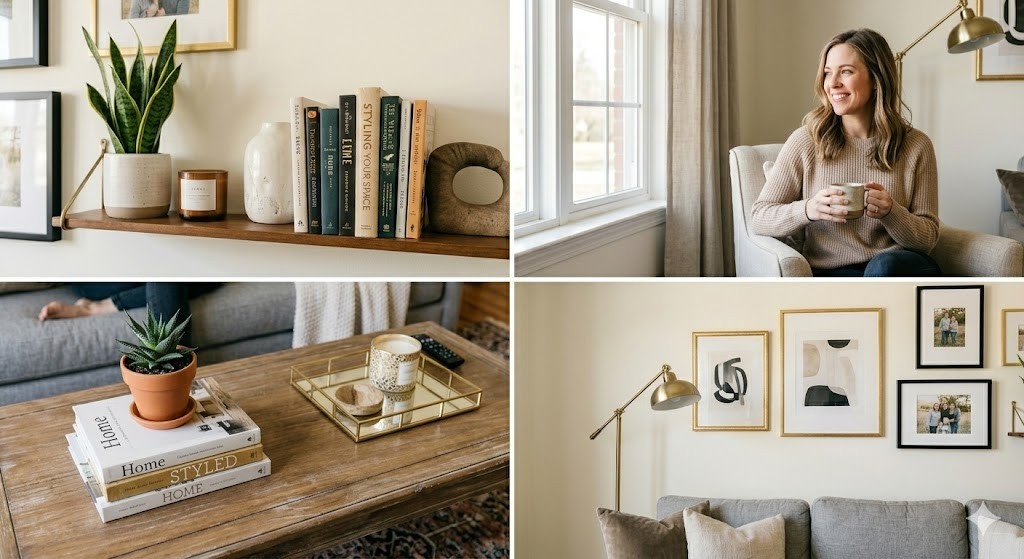
Creating a beautiful home doesn’t require a massive budget. Many of the most stylish interiors achieve their appeal through thoughtful design choices rather than expensive furniture or luxury décor. With the right approach, even small and affordable updates can dramatically improve the appearance, comfort, and functionality of your living space.
Whether you’re decorating a new home, refreshing an outdated room, or simply trying to make your space feel more inviting, smart decorating strategies can help you maximize every dollar. The key is knowing where to spend, where to save, and how to create visual impact without overspending.
This guide explores practical budget home decorating tips that help homeowners and renters achieve a polished, designer-inspired look while staying financially responsible.
Start With a Clear Decorating Vision
One of the biggest budget mistakes people make is buying items without a plan. Random purchases often lead to cluttered spaces and wasted money.
Define Your Style Before Shopping
Spend time identifying the aesthetic you want to create. Some popular styles include:
- Modern minimalist
- Scandinavian
- Farmhouse
- Contemporary
- Bohemian
- Traditional
- Industrial
When you know your preferred style, it becomes easier to make purchasing decisions and avoid unnecessary spending.
Create a Mood Board
Gather inspiration from magazines, social media platforms, and design websites. A mood board helps visualize:
- Color palettes
- Furniture styles
- Decorative accessories
- Lighting choices
- Textures and materials
Having a clear vision prevents impulse purchases and keeps your decorating project focused.
Transform Spaces With Paint
Few decorating upgrades offer a better return on investment than paint.
Refresh Walls With Modern Colors
A fresh coat of paint instantly makes a room feel cleaner and more current. Neutral shades often work best because they create a timeless foundation.
Popular budget-friendly choices include:
- Warm white
- Soft beige
- Light gray
- Sage green
- Dusty blue
Even one accent wall can dramatically change a room’s personality.
Paint Furniture Instead of Replacing It
Old furniture can often be revived with paint.
Consider updating:
- Coffee tables
- Bookshelves
- Dressers
- Dining chairs
- Side tables
A simple paint project can make older pieces look custom-made while saving hundreds of dollars.
Rearrange Before You Buy Anything
Sometimes the best decorating solution costs absolutely nothing.
Experiment With Furniture Layouts
Moving furniture can improve:
- Traffic flow
- Natural light distribution
- Room functionality
- Visual balance
Try positioning seating areas around focal points such as windows, fireplaces, or entertainment centers.
Remove Unnecessary Items
A room often feels more expensive when it contains fewer, carefully selected pieces.
Ask yourself:
- Does this item serve a purpose?
- Does it fit the overall style?
- Does it improve the room?
Decluttering creates an immediate sense of sophistication.
Upgrade Lighting for Instant Impact
Lighting influences how every room looks and feels.
Layer Multiple Light Sources
Instead of relying on a single ceiling fixture, combine:
- Floor lamps
- Table lamps
- Wall sconces
- Accent lighting
Layered lighting adds warmth and depth while creating a more luxurious atmosphere.
Replace Outdated Fixtures
Many affordable light fixtures provide a designer appearance at a fraction of the cost of custom options.
Look for fixtures featuring:
- Matte black finishes
- Brushed brass accents
- Clear glass shades
- Modern geometric designs
Updating a light fixture often becomes a room’s most noticeable improvement.
Use Textiles to Add Comfort and Style
Soft furnishings offer one of the easiest ways to elevate a space affordably.
Invest in Decorative Pillows
Throw pillows introduce:
- Color
- Pattern
- Texture
- Seasonal variety
Instead of replacing pillows entirely, purchase interchangeable covers to refresh your décor throughout the year.
Layer Rugs for Visual Interest
Area rugs help define spaces and make rooms feel complete.
Budget-friendly strategies include:
- Layering smaller rugs
- Using indoor-outdoor rugs indoors
- Shopping clearance sales
- Exploring secondhand options
A well-placed rug can make a room appear larger and more cohesive.
Upgrade Curtains
Curtains dramatically influence a room’s appearance.
For a high-end look:
- Hang rods higher than window frames
- Extend rods beyond the window width
- Choose floor-length panels
These techniques create the illusion of taller ceilings and larger windows.
Decorate With Affordable Wall Features
Bare walls can make rooms feel unfinished.
Create a Gallery Wall
Gallery walls allow you to display:
- Family photographs
- Artwork
- Travel memories
- Printable designs
Mix frame sizes while maintaining a consistent color palette for a curated appearance.
Use Large-Scale Art Strategically
One oversized piece often creates more impact than multiple small decorations.
Affordable options include:
- DIY canvas art
- Digital downloads
- Framed posters
- Fabric wall hangings
Large artwork can become a focal point without overwhelming your budget.
Add Mirrors to Expand Space
Mirrors serve both decorative and practical purposes.
Benefits include:
- Reflecting natural light
- Making rooms feel larger
- Creating visual depth
- Enhancing brightness
A well-positioned mirror can transform even the smallest room.
Shop Smarter, Not More Expensively
Budget decorating often depends more on shopping strategy than spending power.
Explore Thrift Stores and Estate Sales
Many unique decorative pieces can be found secondhand.
Common treasures include:
- Vintage lamps
- Wooden furniture
- Decorative mirrors
- Artwork
- Accent tables
Quality older furniture is often more durable than many budget-friendly new alternatives.
Buy During Seasonal Sales
Major discounts frequently occur during:
- Holiday weekends
- End-of-season clearances
- Inventory transitions
- Black Friday events
Planning purchases around sales helps stretch your decorating budget further.
Prioritize Statement Pieces
Rather than buying everything at once, focus on one standout item per room.
Examples include:
- An accent chair
- A striking light fixture
- A decorative mirror
- A quality area rug
Strong focal points elevate the overall appearance of the space.
Incorporate DIY Decorating Projects
Do-it-yourself projects can significantly reduce decorating costs while adding personality.
Create Custom Decorative Accessories
Simple DIY ideas include:
- Painted vases
- Decorative trays
- Framed fabric art
- Floating shelves
- Handmade centerpieces
These projects provide customized décor without designer price tags.
Repurpose Existing Items
Before purchasing something new, evaluate what you already own.
For example:
- Turn baskets into storage solutions.
- Convert old jars into decorative containers.
- Refinish outdated furniture.
- Reuse wooden crates as shelving.
Creative repurposing often produces unique results unavailable in stores.
Add Greenery Without Overspending
Plants bring life and energy into any room.
Choose Low-Maintenance Houseplants
Affordable options include:
- Pothos
- Snake plants
- Spider plants
- ZZ plants
- Peace lilies
These plants improve visual appeal while requiring minimal care.
Display Plants Creatively
Use:
- Floating shelves
- Window ledges
- Hanging planters
- Decorative baskets
Even a few well-placed plants can make a room feel professionally styled.
Mix Real and Artificial Greenery
Combining both allows you to maintain a fresh appearance while reducing maintenance requirements and costs.
Focus on High-Impact Rooms First
Decorating an entire home simultaneously can quickly become expensive.
Prioritize Frequently Used Spaces
Start with areas where you spend the most time, such as:
- Living room
- Bedroom
- Home office
- Dining area
Improving these rooms first delivers the greatest daily benefit.
Work in Phases
A phased approach offers several advantages:
- Better budgeting
- More thoughtful purchases
- Less stress
- Improved decision-making
Small, consistent improvements often produce better results than rushed renovations.
Make Small Details Feel Intentional
Designer spaces often stand out because of thoughtful finishing touches.
Coordinate Decorative Elements
Aim for consistency among:
- Hardware finishes
- Frame colors
- Textile patterns
- Decorative accessories
A cohesive appearance creates a polished look regardless of budget.
Style Open Surfaces Carefully
Avoid overcrowding shelves and tables.
A simple styling formula includes:
- One tall object
- One medium decorative item
- One personal accessory
- A touch of greenery
This arrangement creates visual balance and sophistication.
Upgrade Everyday Hardware
Replacing cabinet handles, drawer pulls, and door hardware is relatively inexpensive but highly noticeable.
Modern hardware can instantly refresh:
- Kitchens
- Bathrooms
- Dressers
- Storage cabinets
These small upgrades often provide an outsized visual impact.
Create a Home That Reflects Your Personality
The most memorable interiors are not necessarily the most expensive. They are spaces that tell a story.
Display Meaningful Items
Incorporate:
- Travel souvenirs
- Family heirlooms
- Handmade crafts
- Personal collections
These elements add character and authenticity.
Balance Trends With Timeless Design
While trends can inspire updates, timeless foundations provide lasting value.
Invest in:
- Neutral furniture
- Quality basics
- Versatile accessories
Then introduce trendy accents through inexpensive items that can be changed over time.
A personalized approach ensures your home remains comfortable, unique, and welcoming.
FAQs
1. What is the cheapest way to decorate a home?
The most affordable methods include painting walls, rearranging furniture, decluttering, adding plants, updating textiles, and shopping secondhand for decorative items.
2. How can I make my house look expensive on a budget?
Focus on lighting, coordinated color palettes, quality-looking textiles, large-scale artwork, mirrors, and reducing visual clutter. These changes create a more upscale appearance without significant spending.
3. Should I buy new furniture when redecorating?
Not necessarily. Many existing furniture pieces can be refreshed through painting, refinishing, reupholstering, or rearranging, saving substantial amounts of money.
4. What rooms should I decorate first?
Prioritize rooms used most frequently, such as the living room, bedroom, and home office. Improving these spaces delivers the greatest immediate impact.
5. Are thrift stores good for home décor?
Yes. Thrift stores often offer unique, high-quality furniture and decorative items at significantly lower prices than retail stores.
6. How do I choose a color scheme for my home?
Start with a neutral base and introduce one or two accent colors. Consistency throughout the home creates a cohesive and visually pleasing design.
7. Can plants really improve home décor?
Absolutely. Plants add texture, color, freshness, and visual interest while helping spaces feel more inviting and complete.
8. How often should I update my home décor?
Small seasonal updates can keep your home feeling fresh, while major design changes are usually only necessary every few years or when your needs evolve.
Conclusion
Decorating on a budget is less about limiting your options and more about making intentional choices. By focusing on impactful improvements such as paint, lighting, textiles, greenery, and smart furniture arrangements, you can create a stylish home without overspending. The most successful interiors combine creativity, planning, and personal expression rather than expensive purchases. When every element serves a purpose and contributes to a cohesive vision, even modest budgets can produce stunning, high-end results that make your home feel comfortable, functional, and uniquely yours.
