


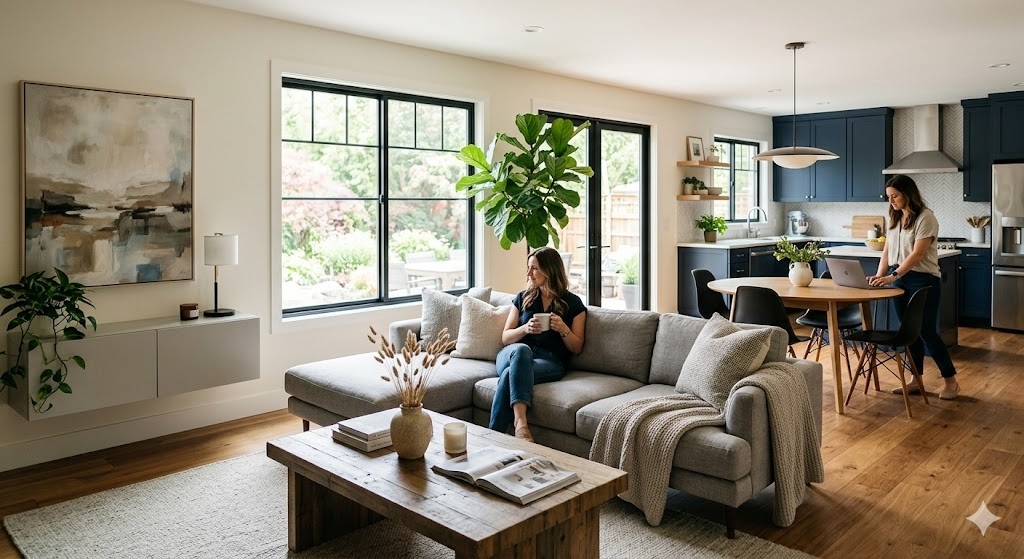
Modern interior design continues to be one of the most popular decorating styles because it combines simplicity, functionality, and sophistication. Unlike trends that quickly fade, modern design focuses on clean lines, purposeful layouts, and carefully selected décor elements that create a timeless appearance.
Many homeowners mistakenly believe modern interiors feel cold or sterile. In reality, today’s modern spaces balance sleek aesthetics with warmth, comfort, and personality. By blending natural materials, thoughtful lighting, and strategic color choices, you can create rooms that feel both elegant and inviting.
Whether you’re renovating an entire house or updating a single room, these modern interior design ideas can help you create a stylish environment that reflects contemporary living while remaining practical for everyday life.
Define Your Space with a Modern Color Palette
Color serves as the foundation of any successful interior design project. Modern interiors typically rely on a refined palette that promotes visual harmony and spaciousness.
Embrace Neutral Foundations
Neutral shades such as white, beige, soft gray, taupe, and warm greige create a clean backdrop that allows furniture and architectural elements to stand out.
Benefits of neutral foundations include:
- Greater design flexibility
- Enhanced natural light reflection
- A larger visual appearance
- Easier seasonal updates
Add Depth Through Accent Colors
Modern interiors don’t have to be monochromatic. Carefully selected accent colors can introduce personality without overwhelming the space.
Popular accent choices include:
- Deep navy blue
- Forest green
- Charcoal black
- Terracotta
- Muted olive
- Dusty blue
The key is moderation. One or two accent colors often create a stronger visual impact than a room filled with competing shades.
Choose Furniture That Prioritizes Form and Function
Furniture is one of the defining characteristics of modern interior design. Every piece should contribute both aesthetically and practically.
Invest in Clean-Lined Furniture
Modern furniture often features:
- Straight or gently curved silhouettes
- Minimal ornamentation
- Smooth surfaces
- Exposed legs
- Geometric shapes
Instead of filling rooms with numerous pieces, focus on fewer, high-quality furnishings that serve a clear purpose.
Create Visual Balance
Avoid overcrowding. Modern interiors thrive on breathing room between furniture pieces.
For example:
- Allow space around sofas and chairs
- Keep pathways clear
- Use appropriately scaled furniture
- Maintain visual symmetry where possible
A thoughtfully arranged room often appears more luxurious than one packed with expensive furniture.
Incorporate Natural Materials for Warmth
One of the most effective modern interior design ideas is balancing sleek finishes with natural textures.
Bring in Wood Elements
Wood introduces warmth and character while maintaining a contemporary appearance.
Consider incorporating wood through:
- Flooring
- Wall panels
- Coffee tables
- Shelving
- Dining tables
- Ceiling beams
Lighter wood tones often create an airy Scandinavian-inspired feel, while darker woods provide sophistication and depth.
Layer Organic Textures
Texture prevents modern spaces from feeling flat.
Examples include:
- Linen curtains
- Wool rugs
- Cotton upholstery
- Stone surfaces
- Rattan accents
- Ceramic décor
The contrast between smooth and textured materials creates visual interest without adding clutter.
Maximize Natural and Artificial Lighting
Lighting significantly influences the mood and functionality of a space.
Make Natural Light a Design Feature
Modern interiors often emphasize openness and daylight.
To maximize natural light:
- Use sheer window treatments
- Avoid blocking windows with bulky furniture
- Choose reflective surfaces strategically
- Keep color palettes light
Sunlight enhances architectural details and makes spaces feel more welcoming.
Use Layered Lighting Techniques
A single ceiling fixture rarely provides sufficient lighting.
Instead, combine:
- Ambient lighting
- Task lighting
- Accent lighting
Examples include:
- Recessed ceiling lights
- Floor lamps
- Pendant fixtures
- LED strips
- Wall sconces
Layered lighting allows flexibility throughout the day and creates a more sophisticated atmosphere.
Design Open and Functional Living Areas
Modern homes prioritize functionality as much as aesthetics.
Create Seamless Flow Between Spaces
Open-concept layouts remain popular because they improve interaction and maximize available square footage.
To maintain cohesion:
- Use consistent flooring
- Repeat materials and colors
- Coordinate furniture styles
- Define zones with rugs
A unified design language helps separate areas feel connected.
Focus on Everyday Usability
Beautiful interiors should also support daily routines.
Ask yourself:
- Is there enough storage?
- Are pathways convenient?
- Does the layout encourage movement?
- Are frequently used items easily accessible?
Practicality is a core principle of successful modern design.
Elevate Rooms with Statement Features
Minimalism does not mean eliminating personality. Modern interiors often include one or two focal points that attract attention.
Introduce Architectural Interest
Even simple spaces can feel luxurious through architectural details.
Examples include:
- Feature walls
- Wood slat panels
- Floating staircases
- Built-in shelving
- Large windows
- Decorative ceiling treatments
These elements create visual impact without relying on excessive decoration.
Use Artwork Strategically
Large-scale artwork can instantly elevate a room.
Instead of displaying numerous small pieces, consider:
- One oversized canvas
- A modern gallery wall
- Abstract artwork
- Black-and-white photography
Artwork should complement the overall aesthetic rather than dominate it.
Smart Storage Solutions for a Clutter-Free Look
One hallmark of modern design is visual simplicity.
Hide Everyday Clutter
Clutter can undermine even the most beautiful interior.
Practical storage solutions include:
- Built-in cabinets
- Hidden compartments
- Floating shelves
- Storage benches
- Multifunctional furniture
The goal is to maintain a clean and organized environment.
Adopt a Less-Is-More Philosophy
Before adding decorative items, evaluate whether they contribute meaningfully to the space.
Ask:
- Does this serve a purpose?
- Does it enhance the design?
- Will it create visual noise?
Intentional decorating creates stronger results than filling every available surface.
Modern Interior Design Ideas for Specific Rooms
Different rooms require unique approaches while maintaining overall design consistency.
Living Room
Modern living rooms benefit from:
- Neutral seating
- Layered lighting
- Large area rugs
- Minimal décor
- Statement coffee tables
Focus on comfort without sacrificing elegance.
Bedroom
Modern bedrooms should feel restful and uncluttered.
Key elements include:
- Upholstered headboards
- Soft textiles
- Integrated storage
- Warm lighting
- Limited decorative accessories
The objective is to create a calming retreat.
Kitchen
Modern kitchens often feature:
- Flat-panel cabinetry
- Hidden appliances
- Quartz countertops
- Under-cabinet lighting
- Streamlined hardware
Functionality and efficiency should guide every design decision.
Home Office
With remote work becoming more common, modern home offices require thoughtful planning.
Consider:
- Ergonomic furniture
- Adequate lighting
- Cable management
- Minimal distractions
- Built-in storage
A clean workspace often improves productivity and focus.
Blend Technology into Modern Interiors
Technology has become an essential component of contemporary living.
Integrate Smart Home Features
Popular additions include:
- Smart lighting systems
- Voice-controlled assistants
- Automated blinds
- Smart thermostats
- Security cameras
These features improve convenience while maintaining a sleek appearance.
Conceal Electronics Thoughtfully
Visible cables and bulky equipment can disrupt a modern aesthetic.
Solutions include:
- Cord management systems
- Built-in media units
- Wireless charging stations
- Hidden outlets
The best technology integrations feel almost invisible.
Add Personality Without Sacrificing Simplicity
A common misconception is that modern homes lack character.
Display Meaningful Décor
Choose items that tell a story, such as:
- Travel souvenirs
- Handmade ceramics
- Family photographs
- Designer books
- Unique sculptures
Quality and meaning matter more than quantity.
Mix Contemporary and Personal Elements
Combining modern furnishings with personal touches creates a balanced environment.
For example:
- Pair contemporary furniture with vintage accessories
- Display heirloom pieces in modern settings
- Mix modern art with traditional textures
This approach prevents interiors from feeling generic or showroom-like.
FAQs
1. What defines modern interior design?
Modern interior design emphasizes clean lines, simplicity, functionality, open spaces, neutral color palettes, and carefully selected furnishings. It focuses on creating uncluttered and practical environments.
2. How can I make a modern room feel warmer?
Incorporate natural materials such as wood, stone, linen, and wool. Layer textures, use warm lighting, and add personal decorative items to create a more inviting atmosphere.
3. Are modern and minimalist interior design the same?
No. While they share similarities, modern design allows more flexibility in materials, textures, and decorative elements. Minimalism places a stronger emphasis on reducing possessions and visual complexity.
4. What colors work best in modern interiors?
Neutral shades such as white, gray, beige, and taupe work exceptionally well. Accent colors like navy, olive, black, and terracotta can add depth and personality.
5. How do I update my home with modern design on a budget?
Focus on decluttering, repainting walls, improving lighting, rearranging furniture, adding modern textiles, and replacing outdated accessories with contemporary alternatives.
6. What flooring is best for modern interiors?
Popular options include hardwood, engineered wood, polished concrete, luxury vinyl plank, and large-format tile. The best choice depends on your budget and lifestyle needs.
7. Can modern interior design work in small homes?
Yes. Modern design is particularly effective in small spaces because it emphasizes simplicity, functionality, and efficient use of available square footage.
8. How important is lighting in modern design?
Lighting is crucial. It enhances functionality, highlights architectural features, improves ambiance, and significantly influences the overall appearance of a room.
Conclusion
Modern interior design is about much more than following trends. It represents a thoughtful approach to creating spaces that are beautiful, functional, and comfortable. By combining clean lines, balanced color palettes, natural materials, strategic lighting, and purposeful furnishings, homeowners can achieve interiors that feel timeless rather than temporary.
The most successful modern homes are not those filled with expensive décor, but those designed with intention. Whether you’re redesigning an entire property or refreshing a single room, these modern interior design ideas can help you create a sophisticated living environment that supports both style and everyday living.
