


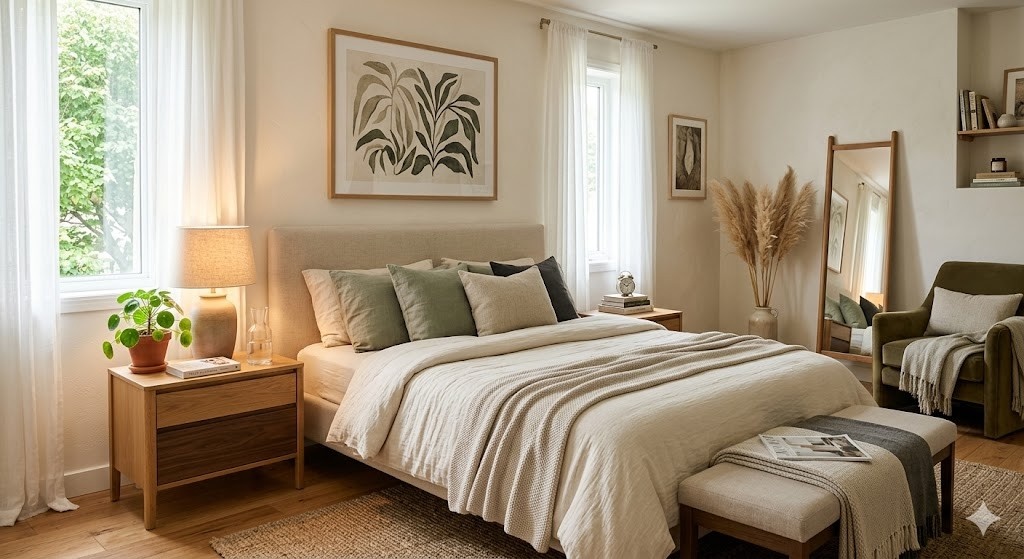
Your bedroom is more than a place to sleep. It serves as a personal sanctuary where you begin and end each day. A thoughtfully designed bedroom can influence your mood, improve relaxation, and create a space that truly reflects your personality.
Whether you’re planning a complete makeover or simply refreshing a few elements, finding the right bedroom decor inspiration can help transform an ordinary room into a welcoming retreat. From color selection and furniture arrangement to lighting and accessories, every detail contributes to the overall atmosphere.
This guide explores creative, practical, and timeless bedroom decorating ideas that work across different styles, budgets, and room sizes.
Define the Mood Before Choosing Decor
Many people start by shopping for furniture or accessories. However, the most successful bedroom designs begin with a clear vision of how the space should feel.
Create a Relaxation-Focused Environment
If your goal is better rest and comfort, prioritize calming elements such as:
- Soft neutral colors
- Minimal clutter
- Comfortable bedding
- Warm lighting
- Natural textures
A peaceful environment helps your bedroom feel like a true escape from daily stress.
Design Around Your Lifestyle
Think about how you use the room.
Do you:
- Read before bed?
- Work occasionally from your bedroom?
- Enjoy watching movies?
- Need extra storage?
Understanding your habits allows you to create a space that supports your daily routine rather than simply looking attractive.
Choose a Color Palette That Enhances Comfort
Color has a significant impact on the mood of a bedroom.
Soft Neutrals for Timeless Appeal
Neutral shades remain one of the most popular choices because they create a sense of calm and flexibility.
Popular options include:
- Warm white
- Beige
- Taupe
- Soft gray
- Sand tones
These colors also make it easier to update decor seasonally without repainting.
Earth-Inspired Tones for Warmth
Nature-inspired colors bring a grounded and cozy feeling.
Consider shades such as:
- Olive green
- Terracotta
- Clay
- Sage
- Muted brown
These hues pair beautifully with wood furniture and natural fabrics.
Dark Colors for Dramatic Sophistication
Contrary to popular belief, darker walls can make a bedroom feel intimate and luxurious.
Examples include:
- Deep navy
- Charcoal
- Forest green
- Rich chocolate brown
Balance darker walls with lighter bedding and layered lighting to maintain visual comfort.
Create a Beautiful Bed as the Focal Point
The bed naturally becomes the centerpiece of the room, making it one of the most important design elements.
Invest in Quality Bedding
Luxurious bedding instantly elevates the appearance of a bedroom.
Layer your bed with:
- Crisp sheets
- Plush pillows
- Textured blankets
- Decorative cushions
- Cozy throws
Mixing textures creates visual depth while enhancing comfort.
Select a Statement Headboard
A stylish headboard can dramatically transform the room.
Popular choices include:
- Upholstered fabric headboards
- Wooden panels
- Tufted designs
- Rattan styles
- Wall-mounted feature panels
A statement headboard adds personality without overwhelming the space.
Use Layering for a Designer Look
Professional interior designers often rely on layering techniques.
Combine:
- Different pillow sizes
- Multiple fabric textures
- Contrasting materials
- Coordinated color accents
The result feels polished and inviting.
Incorporate Lighting That Supports Every Mood
Lighting is one of the most overlooked aspects of bedroom design.
Layer Different Light Sources
Instead of relying on a single ceiling fixture, combine multiple lighting elements.
Examples include:
- Overhead lighting
- Bedside lamps
- Wall sconces
- Floor lamps
- Accent lighting
Layered lighting creates flexibility throughout the day.
Add Warm-Toned Bulbs
Cool white lighting can feel harsh in a bedroom.
Warm-toned bulbs provide:
- Better relaxation
- Softer ambiance
- Enhanced comfort
- A more welcoming atmosphere
This small upgrade often has a surprisingly large impact.
Highlight Architectural Features
Accent lighting can draw attention to attractive design elements.
Use lighting to showcase:
- Artwork
- Textured walls
- Shelving
- Decorative panels
- Statement furniture
Strategic illumination adds depth and sophistication.
Add Texture to Create Visual Interest
A beautifully designed bedroom engages more than just color.
Texture introduces warmth and dimension.
Mix Natural Materials
Combining various natural materials prevents the room from feeling flat.
Popular combinations include:
- Wood and linen
- Cotton and wool
- Rattan and metal
- Stone and fabric
These pairings create balance and visual richness.
Introduce Soft Furnishings
Soft textures instantly increase comfort.
Consider adding:
- Area rugs
- Knit blankets
- Velvet cushions
- Linen curtains
- Upholstered benches
Layering textiles creates a welcoming environment.
Use Texture on Walls
Walls offer an excellent opportunity to add character.
Ideas include:
- Wood slats
- Decorative molding
- Textured wallpaper
- Fabric panels
- Limewash finishes
Even subtle wall treatments can significantly elevate the design.
Maximize Style in Small Bedrooms
Limited square footage does not mean sacrificing style.
Select Multi-Functional Furniture
Furniture that serves multiple purposes helps maximize space.
Examples include:
- Storage beds
- Nightstands with drawers
- Benches with hidden compartments
- Wall-mounted desks
Functional pieces reduce clutter while improving organization.
Keep Visual Clutter to a Minimum
Too many decorative items can overwhelm a small room.
Instead:
- Display fewer accessories
- Prioritize essentials
- Use concealed storage
- Maintain clear surfaces
A streamlined approach makes the room feel larger.
Use Mirrors Strategically
Mirrors reflect light and create the illusion of additional space.
Position them:
- Opposite windows
- Near light sources
- Above dressers
- On closet doors
This simple design trick can dramatically improve spatial perception.
Bring Personality Into the Design
A beautiful bedroom should feel uniquely yours.
Display Meaningful Artwork
Art helps establish character and visual interest.
Choose pieces that:
- Reflect your taste
- Complement your color palette
- Create an emotional connection
- Enhance the room’s mood
Personalized artwork makes the space feel authentic.
Create a Curated Styling Approach
Rather than filling every surface, focus on intentional styling.
Decorative accents may include:
- Books
- Sculptures
- Candles
- Vases
- Framed photographs
A curated collection appears sophisticated and organized.
Incorporate Travel and Life Memories
Meaningful objects often create the strongest design impact.
Examples include:
- Travel souvenirs
- Family photographs
- Handmade items
- Vintage treasures
- Collected keepsakes
These details transform a room from generic to personal.
Embrace Nature for a Fresh Atmosphere
Natural elements help create a calming environment.
Add Indoor Plants
Plants introduce life, texture, and color.
Bedroom-friendly options include:
- Snake plants
- ZZ plants
- Pothos
- Peace lilies
- Spider plants
Even a few plants can make a noticeable difference.
Prioritize Natural Light
Maximize available daylight whenever possible.
Use:
- Sheer curtains
- Light-colored walls
- Reflective surfaces
- Minimal window obstructions
Natural light makes bedrooms feel brighter and more inviting.
Use Organic Decor Elements
Nature-inspired accessories reinforce a relaxed atmosphere.
Consider:
- Wooden furniture
- Stone accents
- Woven baskets
- Linen fabrics
- Botanical artwork
These details create harmony throughout the space.
Bedroom Decor Trends Worth Exploring
While timeless design should remain the foundation, current trends can offer fresh inspiration.
Boutique Hotel-Inspired Bedrooms
This style focuses on luxury and comfort through:
- Premium bedding
- Layered textures
- Elegant lighting
- Refined color palettes
The goal is everyday comfort with a sophisticated appearance.
Quiet Luxury Design
Quiet luxury emphasizes quality over excess.
Characteristics include:
- Neutral colors
- Fine craftsmanship
- Minimal decoration
- Premium materials
This trend continues gaining popularity because of its timeless appeal.
Sustainable Decorating Choices
Eco-conscious design is becoming increasingly important.
Look for:
- Reclaimed wood furniture
- Organic textiles
- Durable materials
- Locally crafted decor
Sustainable choices often result in more meaningful and long-lasting interiors.
FAQs
1. How can I make my bedroom look more expensive on a budget?
Focus on layered bedding, quality lighting, coordinated colors, and decluttering. Small upgrades such as decorative pillows, curtains, and stylish lamps can create a luxurious appearance without major expenses.
2. What colors are best for a relaxing bedroom?
Soft neutrals, sage green, muted blue, warm beige, and light gray are commonly used because they create a calm and restful atmosphere.
3. How do I decorate a small bedroom without making it feel crowded?
Choose multi-functional furniture, limit decorative clutter, use mirrors strategically, and stick to a cohesive color palette to maintain openness.
4. What is the most important element in bedroom decor?
The bed is typically the focal point. Comfortable bedding, a well-designed headboard, and thoughtful styling have the greatest visual impact.
5. How many decorative pillows should a bed have?
The ideal number depends on bed size, but most designers recommend three to six decorative pillows to create balance without overwhelming the bed.
6. Are plants suitable for bedroom decor?
Yes. Plants add texture, freshness, and visual interest. Low-maintenance varieties are particularly well-suited for bedrooms.
7. How often should I update bedroom decor?
Major redesigns are not necessary frequently. Small seasonal updates, new textiles, and occasional accessory changes can keep the room feeling fresh year-round.
Conclusion
Finding the right bedroom decor inspiration starts with understanding how you want the space to feel. A well-designed bedroom balances comfort, functionality, and personal style while supporting relaxation and everyday living.
By selecting a thoughtful color palette, investing in quality bedding, incorporating layered lighting, adding rich textures, and showcasing meaningful decorative elements, you can create a bedroom that feels both beautiful and practical. Whether your style leans modern, rustic, minimalist, or luxurious, the most successful bedroom designs are those that reflect your personality while providing a peaceful retreat from the outside world.
