


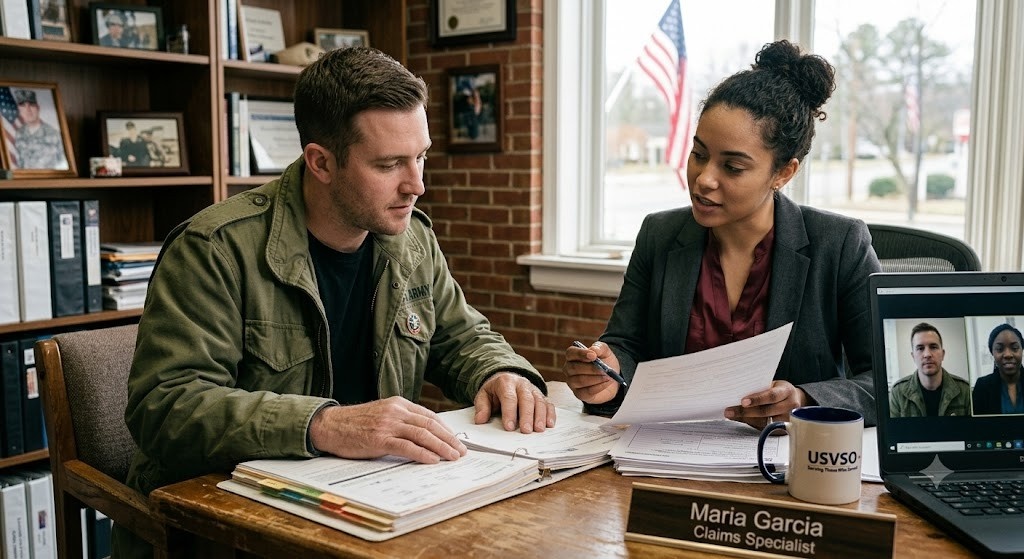
Veterans’ disability benefits provide financial compensation and additional support to former service members whose injuries, illnesses, or medical conditions are connected to their military service. These benefits are designed to recognize the long-term impact of service-related disabilities and help veterans maintain financial stability while accessing healthcare, vocational assistance, and other essential resources. Understanding who qualifies, how claims are evaluated, and what benefits are available can make the application process more manageable and improve the chances of receiving the appropriate level of support.
Understanding the Purpose of Veterans’ Disability Benefits
Military service can expose individuals to physical injuries, environmental hazards, psychological trauma, and chronic medical conditions that continue long after active duty ends. Veterans’ disability benefits exist to compensate veterans for these service-connected conditions rather than replacing employment income.
Compensation is generally provided as tax-free monthly payments, with the amount based on the severity of the service-connected disability. Depending on individual circumstances, veterans may also become eligible for additional programs that support healthcare, education, employment, housing, and family members.
Unlike retirement benefits, disability compensation does not require a minimum number of years served. Eligibility depends primarily on establishing a connection between military service and the claimed disability.
Establishing Eligibility for Disability Compensation
Several factors determine whether a veteran qualifies for disability benefits. While every claim is reviewed individually, successful claims generally require three key elements:
- A current diagnosed medical condition.
- Evidence of an event, injury, illness, or exposure during military service.
- Medical evidence linking the current condition to military service.
This connection, often referred to as a “service connection,” forms the foundation of every disability claim.
Certain conditions may also qualify through presumptive policies, where scientific evidence has established links between military service in specific locations or under certain circumstances and later health conditions. In these cases, veterans may not need to prove every aspect of the connection individually.
Medical Conditions Commonly Covered
Veterans’ disability benefits apply to a wide range of physical and mental health conditions. Coverage is not limited to combat injuries.
Examples include:
- Hearing loss and tinnitus
- Post-traumatic stress disorder (PTSD)
- Depression and anxiety disorders
- Chronic back and neck injuries
- Knee and joint conditions
- Migraines
- Respiratory illnesses
- Sleep apnea
- Traumatic brain injuries
- Nerve damage
- Skin conditions
- Certain cancers linked to toxic exposure
The severity of each condition, rather than its name alone, plays a major role in determining compensation.
How Disability Ratings Affect Monthly Payments
Once a claim is approved, the Department of Veterans Affairs assigns a disability rating expressed as a percentage.
Ratings generally range from 0% to 100%.
A higher rating reflects greater impairment and results in larger monthly compensation payments. Veterans with multiple disabilities receive a combined rating using a formula rather than simply adding percentages together.
A 0% rating may not provide monthly compensation, but it still officially recognizes the condition as service-connected. This recognition can become important if the condition worsens in the future.
Veterans with higher disability ratings may also qualify for additional compensation if they have:
- A spouse
- Dependent children
- Dependent parents
- Severe disabilities requiring additional assistance
Preparing a Strong Disability Claim
A well-documented application can significantly reduce delays and requests for additional evidence.
Helpful documentation often includes:
- Service treatment records
- Military personnel records
- Civilian medical records
- Diagnostic imaging
- Physician statements
- Hospital records
- Prescription history
- Statements from family members or fellow service members describing the disability
The more complete the evidence, the easier it becomes for reviewers to evaluate the claim accurately.
Consistency between medical documentation and personal statements is also important throughout the review process.
The Role of Medical Examinations
Many applicants are scheduled for a Compensation and Pension (C&P) examination after submitting a disability claim.
This examination is not routine medical treatment. Instead, it helps the VA evaluate:
- Current symptoms
- Functional limitations
- Severity of the condition
- Relationship to military service
The examiner prepares a medical report that becomes part of the evidence used during the rating decision.
Veterans should attend all scheduled examinations and accurately describe how their condition affects daily life, work, and routine activities.
Factors That Can Delay a Claim
Although processing times vary, certain issues commonly extend review periods.
Examples include:
- Missing medical records
- Incomplete applications
- Insufficient evidence
- Missed examinations
- Requests for additional documentation
- Complex medical conditions involving multiple disabilities
Submitting organized documentation from the beginning often reduces unnecessary delays.
Additional Support Beyond Monthly Compensation
Disability compensation represents only one part of the assistance available to eligible veterans.
Depending on disability rating and individual circumstances, veterans may also receive access to programs involving:
Healthcare Services
Service-connected veterans may qualify for comprehensive medical care, specialist treatment, rehabilitation, mental health services, prescription medications, and preventive care.
Vocational Rehabilitation
Veterans whose disabilities interfere with employment may receive career counseling, education, job placement assistance, workplace accommodations, or retraining for new careers.
Adaptive Housing Assistance
Veterans with severe mobility limitations may qualify for grants that help modify existing homes or purchase accessible housing.
Automobile and Mobility Assistance
Some veterans with qualifying disabilities may receive financial assistance for specially equipped vehicles or adaptive driving equipment.
Caregiver Support
Family caregivers assisting severely disabled veterans may become eligible for training, education, counseling, and financial support under certain circumstances.
When Disability Ratings Can Change
Receiving disability benefits does not always mean the assigned rating remains permanent.
Ratings may increase if:
- Symptoms worsen
- New medical evidence becomes available
- Additional service-connected conditions develop
Ratings may also be reviewed if medical improvement is expected.
Veterans should continue maintaining medical records and report significant changes in their condition when appropriate.
Appealing an Unfavorable Decision
Not every disability claim receives immediate approval.
A veteran may disagree with:
- A denied claim
- The assigned disability rating
- The effective date of compensation
Appeal options allow applicants to request further review, submit new evidence, or seek evaluation by an independent review authority.
Understanding the reason behind the original decision is often the first step toward building a stronger appeal.
Maintaining Benefits After Approval
Receiving benefits is not necessarily the end of the process. Veterans should:
- Keep copies of all medical records.
- Attend scheduled medical appointments.
- Report major changes in dependency status when required.
- Respond promptly to official correspondence.
- Continue documenting ongoing treatment.
Good recordkeeping helps protect existing benefits while supporting future claims if conditions worsen over time.
Conclusion
Veterans’ disability benefits play a vital role in supporting former service members living with service-connected injuries and illnesses. While the claims process requires thorough documentation and medical evidence, understanding eligibility requirements, disability ratings, examinations, and available support programs makes the process far less overwhelming. Whether applying for the first time, seeking an increased rating, or appealing a previous decision, informed preparation and accurate documentation remain the strongest foundation for a successful outcome.
Frequently Asked Questions
1. Can veterans receive disability benefits while working full-time?
Yes. Employment generally does not prevent a veteran from receiving disability compensation, although certain benefit programs may have additional eligibility requirements.
2. Is disability compensation considered taxable income?
No. Veterans’ disability compensation is generally tax-free under federal law.
3. Can a disability claim be filed years after leaving military service?
Yes. Many veterans successfully file claims years or even decades after separation, provided they can establish a service connection for their condition.
4. Can multiple health conditions be included in one disability claim?
Yes. Veterans may claim several service-connected conditions in a single application if each condition is supported by appropriate medical evidence.
5. Does receiving a disability rating automatically qualify a veteran for all VA programs?
No. Eligibility for additional programs depends on factors such as disability rating, service history, income in some cases, and specific program requirements.
6. What happens if new medical evidence becomes available after filing a claim?
Additional evidence can often be submitted during the review process or used to support an appeal or request for an increased disability rating.
7. Can family members receive benefits related to a veteran’s disability?
In some situations, eligible dependents may qualify for additional financial compensation, healthcare, education assistance, or survivor benefits based on the veteran’s disability status.
