


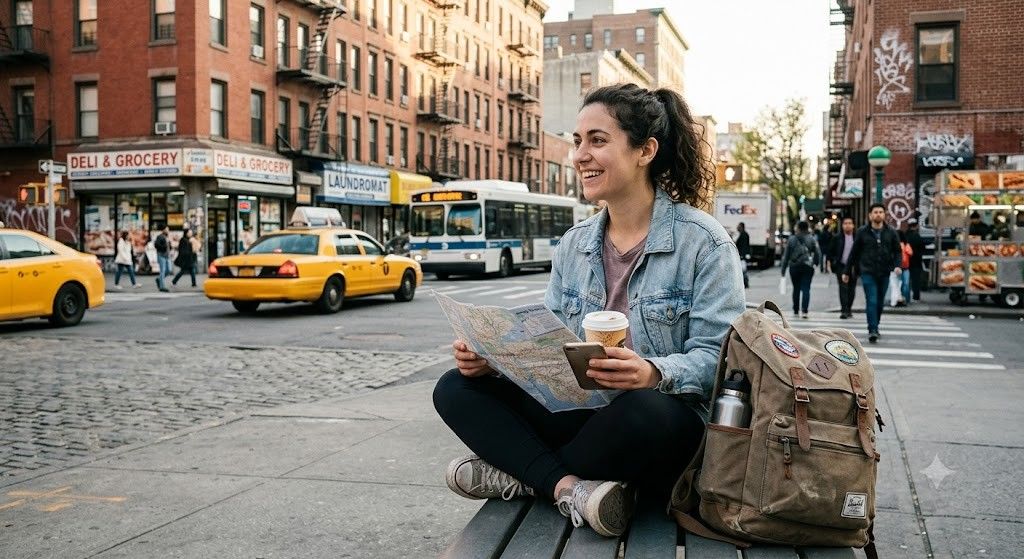
Traveling doesn’t have to drain your savings account. Many people assume that exploring new destinations requires a large budget, but experienced travelers know that memorable adventures often come from smart planning rather than expensive spending.
Whether you’re dreaming of a weekend getaway, a cross-country road trip, or an international vacation, learning how to travel on a budget can help you see more places while spending less money. The key is understanding where to save and where to spend so you can maximize both your experience and your budget.
This guide covers practical strategies that can help you travel affordably without feeling like you’re constantly cutting corners.
Build a Travel Budget Before Choosing a Destination
One of the biggest mistakes travelers make is selecting a destination first and worrying about expenses later. A better approach is to determine your spending limit before making any plans.
Calculate Your Total Travel Fund
Start by identifying how much money you can comfortably spend on your trip. Include:
- Transportation
- Accommodation
- Food and drinks
- Activities and attractions
- Travel insurance
- Emergency funds
- Souvenirs
Having a clear number helps you make realistic decisions from the beginning.
Match Destinations to Your Budget
Some destinations naturally offer better value than others. Instead of focusing only on popular tourist hotspots, look for places where your money stretches further.
For example, many travelers discover that smaller cities, emerging tourist destinations, and off-the-beaten-path regions often provide richer cultural experiences at significantly lower costs.
Travel During Less Popular Seasons
Timing can dramatically affect the cost of a trip.
Airfare, hotels, and attractions often increase prices during peak travel periods when demand is highest. By adjusting your travel dates, you can save hundreds of dollars.
Benefits of Off-Season Travel
Traveling during quieter months offers several advantages:
- Lower accommodation rates
- Cheaper flights
- Fewer crowds
- Better availability
- More authentic local experiences
Many destinations remain enjoyable outside their busiest seasons, especially if you’re flexible with weather conditions.
Consider Shoulder Seasons
The shoulder season falls between peak and off-peak travel periods. This is often the sweet spot for budget travelers because you can enjoy favorable weather while avoiding premium pricing.
Find Affordable Transportation Options
Transportation often consumes a large portion of a travel budget, making it one of the best areas for cost savings.
Be Flexible With Flight Dates
Flight prices can vary significantly depending on the day and time of travel.
Budget-conscious travelers often:
- Compare multiple departure dates
- Fly midweek instead of weekends
- Book flights during sales
- Use fare comparison tools
- Consider nearby airports
A small adjustment in your schedule can result in substantial savings.
Explore Alternative Transportation
Depending on your destination, alternatives to flying may offer better value.
Options include:
- Trains
- Long-distance buses
- Carpooling services
- Road trips
- Ferries
In some regions, train travel is not only affordable but also provides scenic experiences that flights cannot match.
Use Public Transportation
Once you arrive, public transportation can save a considerable amount compared to taxis and ride-sharing services.
Many cities offer:
- Daily transit passes
- Weekly travel cards
- Tourist transportation packages
Researching local transportation before arrival can help you avoid unnecessary expenses.
Choose Accommodation Strategically
Accommodation is usually the second-largest travel expense after transportation.
The good news is that modern travelers have more options than ever before.
Consider Alternatives to Traditional Hotels
While hotels can be convenient, budget travelers often save money by exploring:
- Hostels
- Guesthouses
- Vacation rentals
- Homestays
- Budget hotels
Many of these options provide comfortable stays while offering opportunities to connect with locals and fellow travelers.
Stay Slightly Outside Tourist Centers
Properties located directly in tourist districts often charge premium rates.
Staying a short distance away can provide:
- Lower prices
- More authentic neighborhoods
- Better local restaurants
- Reduced tourist crowds
As long as transportation is convenient, this strategy can generate significant savings.
Take Advantage of Loyalty Programs
Frequent travelers can benefit from accommodation rewards programs that offer:
- Free nights
- Discounts
- Room upgrades
- Member-only rates
Even occasional travelers can accumulate valuable rewards over time.
Reduce Food Costs Without Missing Local Cuisine
Food is an important part of travel, but dining expenses can quickly get out of control.
Fortunately, saving money doesn’t mean missing out on local flavors.
Eat Like a Local
Restaurants located near major tourist attractions often charge higher prices.
Instead, look for places where residents eat. These establishments frequently offer:
- Better value
- Authentic dishes
- Larger portions
- More cultural immersion
If a restaurant is filled with locals rather than tourists, that’s usually a positive sign.
Balance Dining Experiences
You don’t need every meal to be a restaurant experience.
A balanced approach might include:
- Breakfast from a local bakery
- Street food for lunch
- A sit-down dinner featuring regional specialties
This strategy allows you to enjoy local cuisine while controlling costs.
Shop at Local Markets
Markets provide affordable access to fresh food and regional products.
Many travelers enjoy purchasing:
- Fruits
- Snacks
- Sandwich ingredients
- Local specialties
This is particularly useful for longer trips.
Prioritize Free and Low-Cost Experiences
Many of the best travel memories don’t come with expensive price tags.
Discover Free Attractions
Most destinations offer numerous free activities, including:
- Public parks
- Walking tours
- Beaches
- Historic neighborhoods
- Museums with free admission days
- Cultural festivals
Researching these opportunities beforehand can help you build an exciting itinerary without overspending.
Explore on Foot
Walking is one of the best ways to experience a destination.
It allows you to:
- Discover hidden gems
- Observe local life
- Take photographs
- Save transportation costs
Many travelers find that their favorite discoveries happen while wandering rather than following a strict schedule.
Focus on Experiences Over Purchases
Instead of spending heavily on souvenirs, prioritize meaningful experiences.
The memories from a beautiful sunset, a local cooking class, or a conversation with residents often last far longer than physical items.
Use Technology to Stretch Your Budget
Modern travel tools can make budget travel easier than ever.
Track Expenses in Real Time
Expense-tracking apps help travelers stay within budget by monitoring spending throughout the trip.
This prevents small purchases from quietly accumulating into large expenses.
Compare Prices Before Booking
Before confirming any reservation, compare options across multiple platforms.
This applies to:
- Flights
- Hotels
- Activities
- Transportation
A few extra minutes of research can produce noticeable savings.
Download Offline Resources
Offline maps, translation tools, and travel guides can help you avoid expensive roaming charges while navigating unfamiliar destinations efficiently.
Create Smart Spending Habits While Traveling
Budget travel isn’t just about finding discounts. It’s also about making intentional spending decisions.
Set a Daily Spending Limit
Dividing your total budget into daily allowances helps maintain control throughout the trip.
This approach:
- Prevents overspending early
- Reduces financial stress
- Encourages thoughtful purchases
If you spend less one day, you can allocate the savings elsewhere later.
Keep an Emergency Reserve
Unexpected situations can occur during any trip.
Having a dedicated emergency fund provides peace of mind for:
- Medical issues
- Transportation changes
- Lost belongings
- Weather disruptions
Avoid using your entire travel budget before departure.
Avoid Common Budget Travel Mistakes
Many travelers unintentionally increase costs by:
- Booking last minute
- Ignoring hidden fees
- Exchanging money at airports
- Overpacking and paying baggage charges
- Dining exclusively in tourist districts
Awareness of these common pitfalls can save a substantial amount over time.
Make Budget Travel a Long-Term Lifestyle
The most successful budget travelers don’t view affordability as a one-time strategy. Instead, they develop habits that make travel a regular part of life.
Create a Dedicated Travel Savings Fund
Setting aside a small amount each month can gradually build a meaningful travel budget.
Even modest contributions accumulate surprisingly quickly over time.
Earn Travel Rewards
Credit card rewards, airline miles, and hotel loyalty points can reduce future travel expenses when used responsibly.
The goal isn’t spending more money but maximizing value from purchases you already make.
Stay Flexible
Flexibility is often the greatest advantage budget travelers possess.
Being open to:
- Different destinations
- Alternative accommodations
- Various travel dates
- New experiences
can unlock opportunities that more rigid travelers miss.
FAQs
1. What is the cheapest way to travel?
The cheapest way often depends on the destination, but combining budget accommodation, public transportation, and off-season travel typically results in the lowest overall costs.
2. How much money should I save before traveling?
Your savings goal depends on your destination, trip length, and travel style. Creating a detailed budget before booking helps determine a realistic amount.
3. Is budget travel safe?
Yes, budget travel can be safe when proper precautions are taken. Research destinations, secure travel insurance, stay aware of your surroundings, and keep emergency funds available.
4. How can I find cheap flights?
Compare multiple booking platforms, be flexible with dates, consider nearby airports, and monitor airline promotions and fare alerts.
5. Are hostels only for young travelers?
No. Modern hostels attract travelers of all ages and often provide private rooms in addition to traditional shared accommodations.
6. How can I save money on food while traveling?
Eat where locals eat, shop at local markets, prepare some meals yourself when possible, and avoid dining exclusively in tourist-heavy areas.
7. Is off-season travel worth it?
For many travelers, yes. Lower prices, fewer crowds, and easier access to attractions often outweigh minor weather-related compromises.
8. What is the biggest budget travel mistake?
Failing to plan expenses is one of the most common mistakes. Without a clear budget, costs can quickly exceed expectations.
Conclusion
Learning how to travel on a budget isn’t about sacrificing comfort or missing out on memorable experiences. It’s about making smarter choices that allow you to stretch your resources further and travel more often. By planning, choosing affordable transportation, finding value-driven accommodation, managing food expenses wisely, and prioritizing meaningful experiences, you can explore the world without placing unnecessary strain on your finances.
The most rewarding trips are rarely defined by how much money was spent. Instead, they are remembered for the people you meet, the places you discover, and the experiences that stay with you long after you return home. With the right approach, budget travel can open the door to more adventures than you ever thought possible.
