


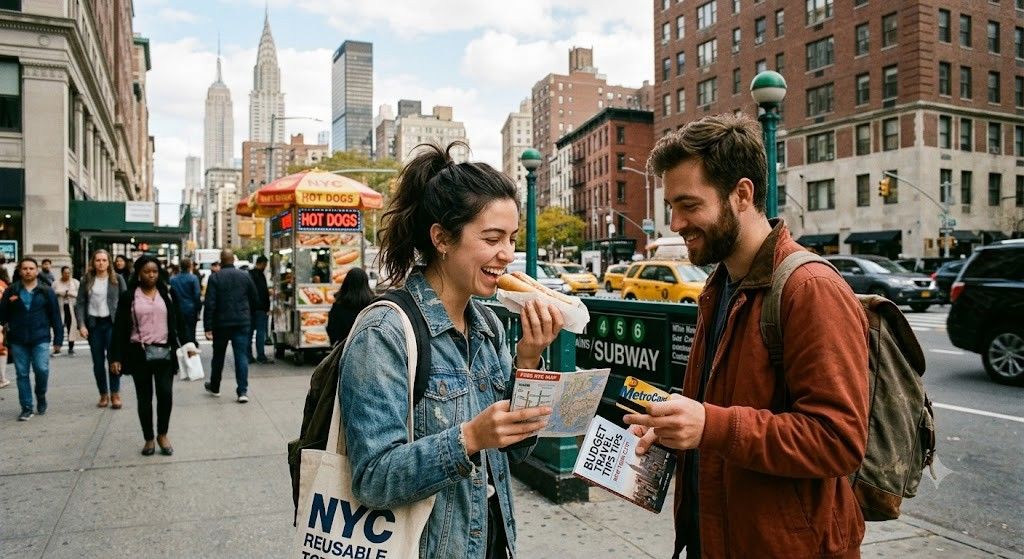
Traveling to America’s most famous cities often comes with a reputation for high prices. Destinations like New York City, San Francisco, Los Angeles, Seattle, Boston, and Miami can quickly drain your travel budget if you’re not careful.
The good news is that exploring these destinations doesn’t have to cost a fortune. With the right planning and smart spending habits, you can enjoy world-class attractions, local food, cultural experiences, and iconic landmarks while keeping expenses under control.
This guide shares practical budget travel tips that USA visitors can use in 2026 and beyond to travel smarter, spend less, and experience more.
Why Expensive U.S. Cities Cost More
Before discussing money-saving strategies, it’s important to understand where most travel budgets disappear.
The biggest expenses typically include:
- Accommodation
- Transportation
- Dining
- Entertainment
- Tourist attractions
- Parking and hidden fees
In major metropolitan areas, hotel rates alone can consume over half of a travel budget. That’s why successful budget travelers focus on reducing large expenses first.
Best Budget Travel Tips for Expensive Cities USA Visitors Should Know
Travel During Shoulder Seasons
One of the simplest ways to reduce costs is to choose the right travel dates.
The shoulder season falls between peak tourist periods and off-season months. During these times, you’ll often find:
- Lower hotel rates
- Cheaper flights
- Fewer crowds
- Better attraction availability
Examples include:
- New York: April–May and September–November
- San Francisco: September–October
- Boston: April–May
- Seattle: April–June
A hotel room that costs $350 per night during peak summer may drop below $200 during shoulder season.
Be Flexible With Travel Dates
Flight prices fluctuate significantly.
Use fare comparison tools and consider:
- Midweek departures
- Early morning flights
- Late evening arrivals
- Alternative nearby airports
Even shifting your trip by a few days can save hundreds of dollars.
Find Affordable Accommodation in High-Cost Cities
Accommodation is often the largest travel expense.
Stay Outside Tourist Districts
Hotels near major attractions charge premium prices.
Instead, consider neighborhoods that offer easy public transportation access.
Examples:
- Stay in Queens instead of Manhattan
- Choose Oakland instead of downtown San Francisco
- Book accommodations in Brooklyn rather than Times Square
- Consider North Hollywood instead of central Los Angeles
Travel times may increase slightly, but savings can be substantial.
Compare Multiple Accommodation Types
Don’t limit yourself to traditional hotels.
Explore:
- Hostels
- Vacation rentals
- Guesthouses
- Budget hotels
- Extended-stay properties
Many travelers discover that private hostel rooms offer hotel-like comfort at significantly lower prices.
Book Earlier for Better Rates
In expensive cities, last-minute bookings rarely result in bargains.
For the best rates:
- Book flights 2–4 months ahead
- Reserve hotels 1–3 months early
- Monitor prices regularly
Save Money on Transportation
Transportation expenses add up quickly in major cities.
Use Public Transit Whenever Possible
One of the most effective budget travel tips for USA travelers in expensive cities USA travelers follow is avoiding rental cars.
Public transportation networks in major cities are often excellent.
Examples include:
- New York Subway
- Boston MBTA
- Chicago CTA
- Washington Metro
- San Francisco BART
Benefits:
- Lower costs
- Faster travel during traffic
- No parking fees
- Reduced stress
Purchase Transit Passes
Many cities offer unlimited ride passes.
These can reduce costs substantially if you plan multiple daily trips.
Look for:
- Weekly metro passes
- Multi-day transit cards
- Visitor transportation bundles
Walk More
Walking is free and often reveals hidden gems.
Many iconic attractions are closer together than visitors realize.
Walking allows you to:
- Discover local neighborhoods
- Find affordable restaurants
- Avoid rideshare expenses
- Experience city culture authentically
Eat Well Without Overspending
Food costs can quietly become one of the largest travel expenses.
Skip Tourist Restaurants
Restaurants near major attractions typically charge higher prices.
Walk a few blocks away, and you’ll often find:
- Better food
- Lower prices
- More authentic experiences
Local neighborhoods frequently offer excellent dining options at half the cost.
Make Lunch Your Main Meal
Many restaurants offer lunch specials that cost far less than dinner menus.
Benefits include:
- Similar food quality
- Smaller crowds
- Significant savings
Visit Local Markets
Public markets provide affordable meals and snacks.
Popular options include:
- Food halls
- Farmers markets
- Community markets
- Ethnic food districts
These locations often deliver great value while allowing you to sample local specialties.
Carry a Reusable Water Bottle
In major cities, buying bottled water repeatedly adds up quickly.
Refill stations are increasingly common in airports, parks, and public buildings.
Enjoy Free and Low-Cost Attractions
Many travelers assume expensive cities require expensive activities.
That’s simply not true.
Take Advantage of Free Museums and Attractions
Many major cities offer:
- Free museum days
- Public art installations
- Historic districts
- Waterfront areas
- Cultural festivals
Research free-entry days before arriving.
Explore Public Parks
Urban parks often provide memorable experiences at no cost.
Examples include:
- Central Park
- Golden Gate Park
- Millennium Park
- Boston Common
- Griffith Park
These locations offer scenery, recreation, and local culture without admission fees.
Join Free Walking Tours
Many cities host tip-based walking tours.
These tours help travelers:
- Learn city history
- Discover hidden attractions
- Find local recommendations
- Explore safely
Even with a generous tip, they’re often far cheaper than commercial tours.
Budget Travel Tips for Expensive Cities USA Families Can Use
Traveling with children creates additional expenses, but savings opportunities still exist.
Choose Hotels With Free Breakfast
A complimentary breakfast can save a family hundreds of dollars during a week-long trip.
Look for properties that include:
- Breakfast
- Wi-Fi
- Kitchenettes
- Laundry facilities
Use Family Attraction Passes
Many destinations offer city passes covering multiple attractions.
These packages often provide:
- Discounted admission
- Skip-the-line access
- Transportation benefits
Always compare costs before purchasing.
Pack Essential Items
Buying forgotten items in tourist districts is expensive.
Bring:
- Sunscreen
- Reusable water bottles
- Snacks
- Medications
- Phone chargers
Preparation reduces impulse spending.
Smart Technology Hacks for Budget Travelers
Technology can significantly reduce travel expenses.
Use Price Tracking Tools
Monitor:
- Flights
- Hotels
- Rental accommodations
Price alerts help identify booking opportunities before costs rise.
Download Offline Maps
Offline maps reduce data usage and help you navigate efficiently.
Benefits include:
- Less reliance on taxis
- Faster route planning
- Better neighborhood exploration
Search for Local Deals
Many cities offer:
- Discount attraction tickets
- Restaurant promotions
- Event specials
- Last-minute entertainment deals
Checking local deal platforms before arrival can produce meaningful savings.
Common Budget Travel Mistakes to Avoid
Even experienced travelers sometimes make costly errors.
Avoid these mistakes:
Booking Too Late
Waiting for “better deals” often leads to higher prices.
Eating Every Meal Near Attractions
Tourist zones usually charge premium prices.
Ignoring Transportation Costs
Hotel savings can disappear if transportation expenses become excessive.
Overpacking Activities
Trying to see everything often results in overspending.
Focus on experiences that genuinely interest you.
Not Researching Hidden Fees
Watch for:
- Resort fees
- Parking fees
- Service charges
- Attraction surcharges
These costs can significantly impact your budget.
Sample Daily Budget for Expensive U.S. Cities
A realistic daily budget may look like this:
| Expense Category | Budget Traveler |
| Accommodation | $50–$120 |
| Transportation | $5–$15 |
| Food | $25–$50 |
| Attractions | $0–$30 |
| Miscellaneous | $10–$20 |
| Total | $90–$235 |
Costs vary by destination, season, and travel style.
Frequently Asked Questions
What is the cheapest way to travel in expensive U.S. cities?
Using public transportation, staying outside tourist districts, walking whenever possible, and visiting free attractions are among the most effective cost-saving methods.
Which expensive U.S. city is easiest to visit on a budget?
Chicago is often considered one of the easier major cities for budget travelers because it offers extensive public transportation, affordable food options, and many free attractions.
How much money should I budget per day in major U.S. cities?
Budget travelers can often spend between $90 and $235 per day, depending on accommodation choices, dining habits, and planned activities.
Is it cheaper to stay outside downtown areas?
In most cases, yes. Staying in nearby neighborhoods connected by public transportation can reduce accommodation costs significantly.
Are city attraction passes worth buying?
They can be worthwhile if you plan to visit several included attractions. Always compare the pass price against individual ticket costs.
How can I save money on food while traveling?
Choose local restaurants away from tourist areas, take advantage of lunch specials, visit food markets, and carry snacks for busy sightseeing days.
Conclusion
Visiting major American cities doesn’t require a luxury budget. The most successful travelers understand that smart planning matters more than spending power. By booking strategically, using public transportation, choosing affordable neighborhoods, and prioritizing free experiences, you can dramatically reduce costs while still enjoying everything these destinations offer.
The best budget travel tips for USA travelers in expensive cities USA travelers follow are surprisingly simple: travel during less crowded periods, stay flexible, eat like a local, and focus on experiences rather than unnecessary expenses. Apply these strategies, and you’ll discover that even America’s most expensive cities can become surprisingly affordable destinations.
