


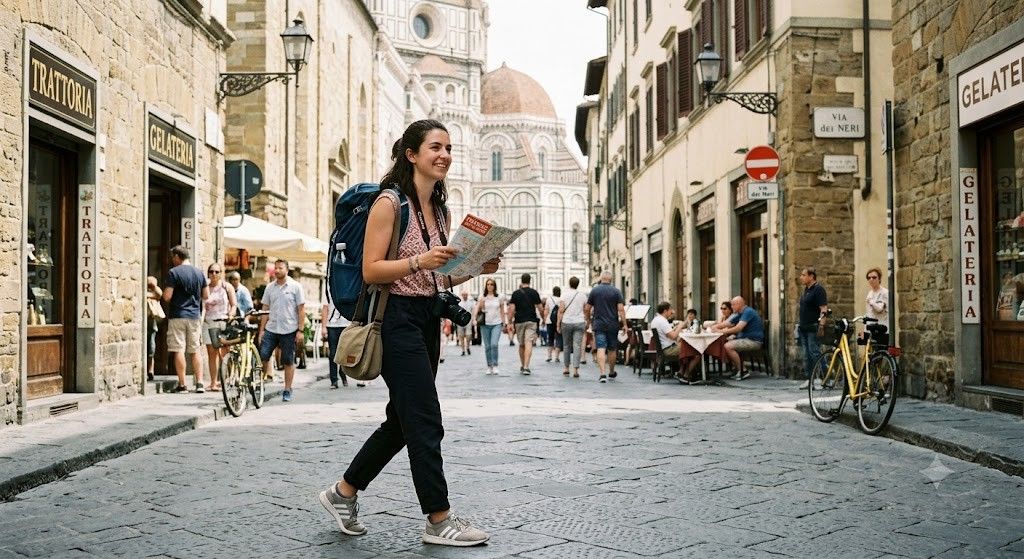
Traveling is often associated with expensive flights, luxury hotels, and large vacation budgets. However, memorable travel experiences do not require a high income or unlimited spending. Some of the world’s most rewarding adventures happen when travelers focus on smart planning, local experiences, and thoughtful spending habits.
The key to budget travel is maximizing value rather than simply minimizing expenses. By making strategic decisions before and during your trip, you can explore new destinations, experience different cultures, and create lasting memories without putting unnecessary pressure on your finances.
This guide shares practical budget travel tips that can help travelers worldwide reduce costs while still enjoying meaningful and comfortable journeys.
Why Budget Travel Starts Before You Leave Home
Many travelers focus only on saving money during the trip itself. In reality, the biggest opportunities to reduce costs often happen weeks or months before departure.
Set a Realistic Travel Budget
Begin by deciding how much you can comfortably spend. Break your budget into categories:
- Transportation
- Accommodation
- Food
- Activities
- Emergency funds
- Shopping and souvenirs
A clear budget prevents overspending and helps you make informed decisions throughout the planning process.
Travel During Off-Peak Seasons
Timing significantly impacts travel costs.
Popular destinations often become much cheaper during shoulder seasons—the periods between peak and low travel times.
Benefits include:
- Lower airfare
- Reduced hotel rates
- Smaller crowds
- Better availability
For example, visiting European cities in spring or autumn can cost considerably less than traveling during summer holidays.
Be Flexible With Dates
A difference of just a few days can lead to substantial savings.
Midweek flights frequently cost less than weekend departures. Flexible travelers often find better deals simply by adjusting travel dates.
Finding Affordable Transportation
Transportation usually consumes a large portion of any travel budget. Fortunately, there are several ways to reduce these expenses.
Compare Multiple Flight Options
Never book the first flight you find.
Compare:
- Nearby airports
- Different airlines
- One-way versus round-trip tickets
- Alternative routes
Small adjustments can result in major savings.
Consider Overnight Travel
Night buses and trains can provide two benefits:
- Transportation
- Accommodation for the night
While comfort levels vary, overnight travel can significantly reduce overall trip costs.
Use Public Transportation
Public transportation often provides a more authentic travel experience while saving money.
Examples include:
- City buses
- Metro systems
- Trams
- Regional trains
Many cities offer transportation passes that reduce daily commuting expenses.
Walk Whenever Possible
Walking costs nothing and often reveals hidden attractions, local neighborhoods, and cultural experiences that tourists miss.
Many travelers discover their favorite moments while exploring on foot.
Choosing Budget-Friendly Accommodation
Accommodation can either stretch or destroy a travel budget.
The goal is not necessarily finding the cheapest place but finding the best value.
Explore Alternative Lodging Options
Beyond traditional hotels, consider:
- Hostels
- Guesthouses
- Vacation rentals
- Homestays
- Budget inns
These options often provide unique local experiences at lower prices.
Stay Slightly Outside Tourist Centers
Hotels in major tourist districts typically charge premium rates.
Accommodation located a short distance away may offer:
- Lower prices
- Better amenities
- More authentic surroundings
Just ensure transportation costs do not offset your savings.
Look for Included Benefits
A slightly higher nightly rate can actually save money if it includes:
- Breakfast
- Airport transfers
- Wi-Fi
- Kitchen access
- Laundry facilities
Evaluate total value rather than focusing solely on the room rate.
Smart Food Strategies for Travelers
Food is one of the most enjoyable parts of travel, but restaurant expenses can quickly add up.
Eat Where Locals Eat
Restaurants near famous attractions often charge significantly more than local establishments.
Look for places that:
- Have local customers
- Offer daily specials
- Feature regional dishes
- Display transparent pricing
These locations often provide better food and better value.
Use Local Markets
Markets offer opportunities to:
- Buy fresh produce
- Sample local specialties
- Purchase affordable snacks
- Experience local culture
They are particularly useful for travelers staying several days in one destination.
Limit Tourist-Area Dining
Eating every meal in major tourist districts can dramatically increase expenses.
A short walk away from crowded attractions often leads to more affordable options.
Carry Essential Snacks
Simple items such as fruit, nuts, or energy bars can help avoid expensive impulse purchases throughout the day.
Make Experiences Affordable Without Missing Out
Many travelers mistakenly assume memorable experiences must be expensive.
The reality is often the opposite.
Prioritize Free Attractions
Many destinations offer:
- Historic neighborhoods
- Public parks
- Beaches
- Hiking trails
- Cultural festivals
- Museums with free admission days
These attractions frequently become highlights of a trip.
Focus on Quality Over Quantity
Trying to visit every attraction often results in unnecessary spending.
Instead:
- Select a few meaningful experiences
- Spend more time enjoying them
- Avoid rushing between activities
This approach saves money and reduces travel fatigue.
Research City Passes Carefully
Tourist passes can provide excellent value—but only if you plan to use included attractions.
Calculate potential savings before purchasing.
Join Free Walking Tours
Many cities offer free or tip-based walking tours led by knowledgeable local guides.
These tours provide:
- Historical context
- Local recommendations
- Cultural insights
- Budget-friendly sightseeing
Packing Tips That Save Money
Packing efficiently can reduce unexpected travel expenses.
Travel Light
Airline baggage fees can significantly increase trip costs.
Packing only essentials helps you:
- Avoid checked luggage charges
- Move more easily
- Reduce transportation hassles
Bring Reusable Travel Items
Useful items include:
- Water bottle
- Shopping bag
- Portable charger
- Travel utensils
- Reusable coffee cup
These small items can generate meaningful savings throughout a trip.
Prepare for Weather Conditions
Unexpected weather often leads travelers to purchase overpriced clothing or accessories.
Checking forecasts beforehand helps avoid these unnecessary expenses.
Digital Tools That Help Budget Travelers
Technology can simplify planning and reduce costs.
Track Spending Daily
Recording expenses helps identify overspending before it becomes a problem.
Many travelers underestimate how quickly small purchases accumulate.
Download Offline Maps
Offline navigation reduces dependence on mobile data and prevents costly roaming charges.
Set Fare Alerts
Flight price monitoring tools can notify travelers when fares decrease, helping secure better deals.
Store Travel Documents Digitally
Keeping digital copies of important documents provides convenience and can help avoid costly complications if originals are lost.
Expert Insights for Long-Term Savings
Experienced budget travelers often focus on habits rather than one-time discounts.
Build a Travel Fund
Setting aside a small amount regularly can make future travel more affordable and less stressful.
Even modest monthly contributions grow over time.
Earn Travel Rewards Strategically
Many travelers reduce costs through:
- Airline loyalty programs
- Hotel reward systems
- Travel-focused payment cards
Rewards are most beneficial when balances are paid responsibly, and spending remains controlled.
Travel With Clear Priorities
Ask yourself:
“What matters most on this trip?”
If your priority is food, allocate more budget there.
If your goal is adventure, reduce spending elsewhere.
Purposeful spending often leads to greater satisfaction than simply chasing the lowest prices.
Common Budget Travel Mistakes to Avoid
Booking Too Late
Last-minute reservations frequently cost more, especially during busy seasons.
Ignoring Hidden Fees
Watch for:
- Resort fees
- Baggage charges
- Currency conversion fees
- Booking service fees
These costs can significantly increase total expenses.
Overplanning Every Day
Packing schedules with paid activities often leads to unnecessary spending and exhaustion.
Leave room for spontaneous exploration.
Chasing Every Deal
A cheap flight is not always a bargain if it includes inconvenient connections, expensive transfers, or excessive travel time.
Evaluate total trip value rather than focusing on a single low price.
Skipping Travel Insurance
Unexpected medical issues, cancellations, or lost belongings can create expenses far greater than the cost of insurance.
Building a Sustainable Travel Mindset
Budget travel is not about deprivation.
It is about making conscious choices that maximize experiences while minimizing wasteful spending.
Many seasoned travelers discover that some of their most memorable moments involve:
- Conversations with locals
- Scenic walks
- Community events
- Street food experiences
- Hidden neighborhoods
These experiences often cost little or nothing while providing deeper connections to a destination.
When approached thoughtfully, budget travel can actually create richer and more authentic adventures than high-spending tourism.
Frequently Asked Questions
1. How much money do I need for budget travel?
The amount varies depending on destination, travel style, and trip length. Creating a destination-specific budget is the best way to estimate costs accurately.
2. What is the biggest expense when traveling?
For most travelers, transportation and accommodation account for the largest share of total travel expenses.
3. Is budget travel safe?
Yes. Budget travel can be very safe when you research destinations, stay aware of your surroundings, and use reputable transportation and accommodation providers.
4. How far in advance should I book travel?
Booking several weeks or months in advance often provides better pricing and more options, especially during popular travel periods.
5. Are hostels only for young travelers?
No. Modern hostels welcome travelers of all ages and often offer private rooms in addition to shared accommodations.
6. Can I travel internationally on a small budget?
Absolutely. Many destinations offer affordable accommodation, food, and transportation, making international travel accessible even with limited funds.
7. Should I exchange money before traveling?
It depends on the destination. Comparing exchange rates, ATM fees, and local banking options can help determine the most cost-effective approach.
8. What is the most effective budget travel strategy?
Planning, staying flexible, and prioritizing meaningful experiences over unnecessary spending are usually the most effective ways to reduce travel costs.
Conclusion
Travel does not have to be expensive to be rewarding. The most effective budget travel tips focus on planning smartly, spending intentionally, and seeking value rather than luxury. By choosing affordable transportation, finding cost-effective accommodation, managing food expenses wisely, and prioritizing meaningful experiences, travelers can explore more destinations without straining their finances.
The true goal of budget travel is not simply saving money—it is creating memorable experiences, discovering new cultures, and making every dollar work harder. With the right approach, extraordinary adventures can be accessible to almost anyone, regardless of budget.
