


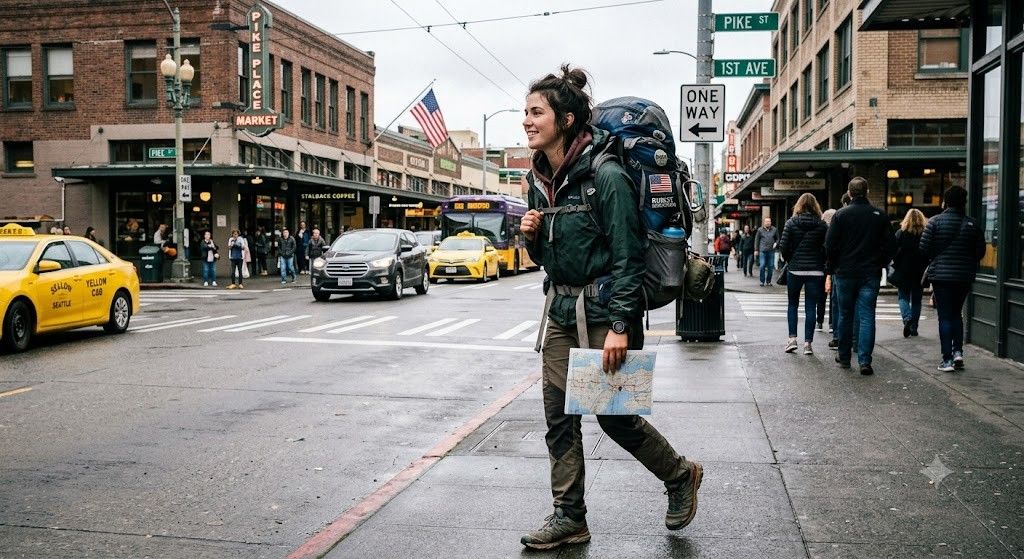
Backpacking on a budget is one of the most rewarding ways to explore the world. Unlike traditional vacations that often revolve around comfort and convenience, backpacking focuses on experiences, cultural immersion, and flexibility. The good news is that you do not need a large bank account to see incredible destinations, meet fascinating people, and create unforgettable memories.
Whether you’re planning your first backpacking adventure or looking to improve your travel strategy, a well-designed budget backpacking guide can help you maximize every dollar. The key is understanding where to save, where to spend wisely, and how to stay adaptable throughout your journey.
This guide covers practical techniques for planning affordable backpacking trips, reducing expenses, packing efficiently, and making the most of your travel experience.
Why Budget Backpacking Is Growing in Popularity
Travelers around the world are increasingly choosing backpacking over expensive package tours. The appeal goes beyond saving money.
Budget backpacking offers:
- Greater freedom and flexibility
- Opportunities to experience local culture
- Lower travel costs
- More authentic adventures
- Longer travel durations
- Personal growth and independence
Many travelers discover that spending less often leads to richer experiences because they interact more closely with local communities rather than remaining isolated in tourist environments.
The Difference Between Cheap and Smart Travel
Budget backpacking is not about sacrificing safety or comfort entirely. Smart travelers focus on maximizing value rather than simply choosing the cheapest option available.
For example:
- Choosing a clean hostel instead of a luxury hotel
- Using public transportation instead of taxis
- Eating at local restaurants instead of tourist hotspots
- Traveling during the shoulder seasons
These choices reduce costs while often enhancing the overall travel experience.
Planning Your Backpacking Budget Before Departure
Successful backpacking begins long before you leave home.
Determine Your Total Travel Budget
Start by calculating:
- Transportation costs
- Accommodation expenses
- Daily food budget
- Travel insurance
- Emergency funds
- Activities and attractions
Having a realistic financial framework prevents overspending and reduces stress during your trip.
Research Destination Costs
Not all destinations offer the same value.
Generally affordable backpacking regions include:
- Southeast Asia
- Eastern Europe
- Central America
- Parts of South America
- South Asia
Research average daily expenses to estimate how long your budget will last.
Create a Daily Spending Limit
Breaking your budget into daily allowances helps maintain financial discipline.
For example:
- Accommodation: 35%
- Food: 25%
- Transportation: 15%
- Activities: 15%
- Emergency buffer: 10%
Tracking daily expenses prevents surprises later in the journey.
Choosing Budget-Friendly Destinations
Your destination selection has the biggest impact on your overall travel costs.
Look Beyond Popular Tourist Cities
Famous destinations often come with inflated prices.
Instead of focusing exclusively on major tourist hubs, consider nearby alternatives that offer similar experiences at lower costs.
Examples include:
- Smaller coastal towns
- Lesser-known mountain regions
- Secondary cultural cities
- Rural adventure destinations
These locations often provide a more authentic atmosphere while helping you stretch your budget.
Travel During Shoulder Seasons
Shoulder seasons occur between peak and off-peak periods.
Benefits include:
- Lower accommodation rates
- Reduced airfare prices
- Fewer crowds
- Better availability
You can often save hundreds of dollars simply by adjusting your travel dates by a few weeks.
Packing Smart Without Overloading Your Backpack
One of the biggest mistakes new backpackers make is overpacking.
Follow the “Less Is More” Principle
A lighter backpack provides:
- Easier mobility
- Lower transportation costs
- Reduced physical strain
- Faster travel transitions
Pack versatile items that serve multiple purposes.
Essential Backpacking Gear
Focus on necessities:
- Durable backpack
- Lightweight clothing
- Comfortable walking shoes
- Reusable water bottle
- Portable power bank
- Basic first aid kit
- Travel towel
- Universal adapter
Avoid packing “just in case” items that add unnecessary weight.
Invest in Quality Where It Matters
Buying cheap gear can become expensive if it fails during your trip.
Prioritize quality for:
- Backpack
- Footwear
- Rain protection
- Sleeping equipment (if needed)
Reliable gear improves comfort and reduces replacement costs.
Finding Affordable Accommodation
Accommodation often represents the largest daily expense.
Stay in Hostels
Hostels remain a favorite choice among backpackers because they offer:
- Low-cost dormitory beds
- Social opportunities
- Shared kitchens
- Local travel advice
Many hostels also organize activities that help travelers connect.
Consider Alternative Lodging Options
Budget travelers can also explore:
- Guesthouses
- Homestays
- Budget hotels
- Volunteer programs
- House-sitting opportunities
Comparing multiple options often reveals significant savings.
Book Strategically
Reserve accommodations early during busy seasons but remain flexible when demand is lower.
Flexibility allows you to take advantage of last-minute discounts and local recommendations.
Eating Well Without Overspending
Food expenses can quickly drain a backpacking budget if not managed carefully.
Embrace Local Cuisine
Local restaurants often provide:
- Better value
- More authentic flavors
- Cultural experiences
- Larger portions
Tourist-focused restaurants typically charge premium prices.
Use Shared Kitchens
Many hostels offer cooking facilities.
Preparing occasional meals can substantially reduce food costs during longer trips.
Simple breakfasts and lunches often save enough money to enjoy special local dinners.
Carry Budget-Friendly Snacks
Keep inexpensive snacks available for:
- Long transportation days
- Hiking excursions
- Delayed schedules
This helps avoid expensive convenience purchases.
Transportation Strategies That Save Money
Getting from place to place efficiently is essential for budget backpacking.
Prioritize Public Transportation
Public transit usually costs a fraction of private transportation.
Options include:
- Local buses
- Regional trains
- Metro systems
- Shared shuttles
Besides saving money, public transportation often provides a deeper understanding of local life.
Travel Overnight When Practical
Night buses and trains can reduce costs by combining transportation and accommodation into one expense.
However, balance savings with personal comfort and safety.
Walk Whenever Possible
Walking is free and often reveals hidden attractions that travelers miss while using vehicles.
Many memorable travel experiences happen between major destinations rather than at them.
Managing Money Safely on the Road
Protecting your finances is just as important as saving money.
Use Multiple Payment Methods
Carry a combination of:
- Debit cards
- Credit cards
- Emergency cash
Keeping backup options reduces risks if a card is lost or blocked.
Monitor Exchange Rates
Small differences in exchange rates can significantly affect long-term travel budgets.
Avoid exchanging money at airports whenever possible, as rates are often less favorable.
Track Expenses Daily
Use a budgeting app or a simple notebook.
Recording expenses helps identify spending patterns and prevents financial surprises.
Making the Most of Free and Low-Cost Activities
Backpacking does not require expensive tours every day.
Explore Nature
Many destinations offer:
- Hiking trails
- Beaches
- National parks
- Scenic viewpoints
- Lakes and waterfalls
These attractions often provide the most memorable experiences at minimal cost.
Join Walking Tours
Free walking tours are available in many cities worldwide.
They provide:
- Historical context
- Local recommendations
- Social opportunities
- Budget-friendly exploration
Remember to tip guides appropriately when tours operate on a tip-based model.
Attend Community Events
Local festivals, markets, and cultural celebrations offer unique experiences that many tourists overlook.
These events often cost little or nothing while providing authentic cultural insights.
Common Budget Backpacking Mistakes to Avoid
Even experienced travelers occasionally make costly errors.
Overplanning Every Day
Rigid itineraries often lead to:
- Higher costs
- Missed opportunities
- Increased stress
Allow room for spontaneous discoveries.
Ignoring Travel Insurance
Skipping travel insurance may seem like a money-saving decision, but unexpected medical issues or trip disruptions can become extremely expensive.
Chasing Every Tourist Attraction
Not every famous attraction is worth the admission fee.
Prioritize experiences that align with your interests rather than following every travel trend.
Carrying Too Much Gear
Heavy bags slow you down and make transportation more difficult.
Minimalist packing remains one of the most effective backpacking strategies.
Building a Sustainable Long-Term Backpacking Lifestyle
For travelers planning extended adventures, sustainability becomes increasingly important.
Balance Work and Travel
Many backpackers fund longer trips through:
- Freelancing
- Remote work
- Seasonal employment
- Travel-related gigs
Developing income streams while traveling can significantly extend your journey.
Focus on Experiences Rather Than Possessions
Many long-term travelers discover that meaningful experiences provide greater satisfaction than material purchases.
This mindset naturally supports budget-conscious travel habits.
Learn From Every Trip
Each backpacking adventure improves your skills.
Over time, you’ll become better at:
- Budgeting
- Route planning
- Packing
- Negotiating costs
- Finding hidden opportunities
Experience itself becomes one of your most valuable travel assets.
FAQs
1. How much money do I need for a budget backpacking trip?
The amount depends on the destination and trip length. Many backpackers spend between $25 and $75 per day in affordable regions, while more expensive countries may require larger budgets.
2. What is the ideal backpack size for budget travel?
A backpack between 40 and 60 liters is suitable for most travelers. It provides enough space without encouraging overpacking.
3. Are hostels safe for solo travelers?
Most reputable hostels are safe and cater specifically to travelers. Reading reviews, using lockers, and following basic safety precautions are recommended.
4. How can I save money on flights?
Book early, compare multiple booking platforms, travel during off-peak periods, and remain flexible with departure dates and airports.
5. Should I buy travel insurance for backpacking?
Yes. Travel insurance protects against unexpected medical expenses, cancellations, lost luggage, and other travel-related emergencies.
6. Is backpacking only for young travelers?
No. Backpacking appeals to people of all ages. Many travelers in their 30s, 40s, 50s, and beyond enjoy budget travel adventures.
7. What is the biggest mistake first-time backpackers make?
Overpacking is one of the most common mistakes. Carrying unnecessary items increases fatigue and complicates travel logistics.
8. Can I backpack comfortably on a limited budget?
Absolutely. Careful planning, smart spending, and flexible travel habits allow many backpackers to enjoy comfortable and memorable experiences without spending excessively.
Conclusion
Budget backpacking proves that meaningful travel does not require a large financial investment. With thoughtful planning, smart destination choices, efficient packing, and disciplined spending habits, travelers can explore more places while keeping costs under control. The most successful backpackers focus on experiences, flexibility, and learning opportunities rather than luxury. By applying the strategies in this budget backpacking guide, you can travel farther, stay longer, and create unforgettable memories without exceeding your budget.
