


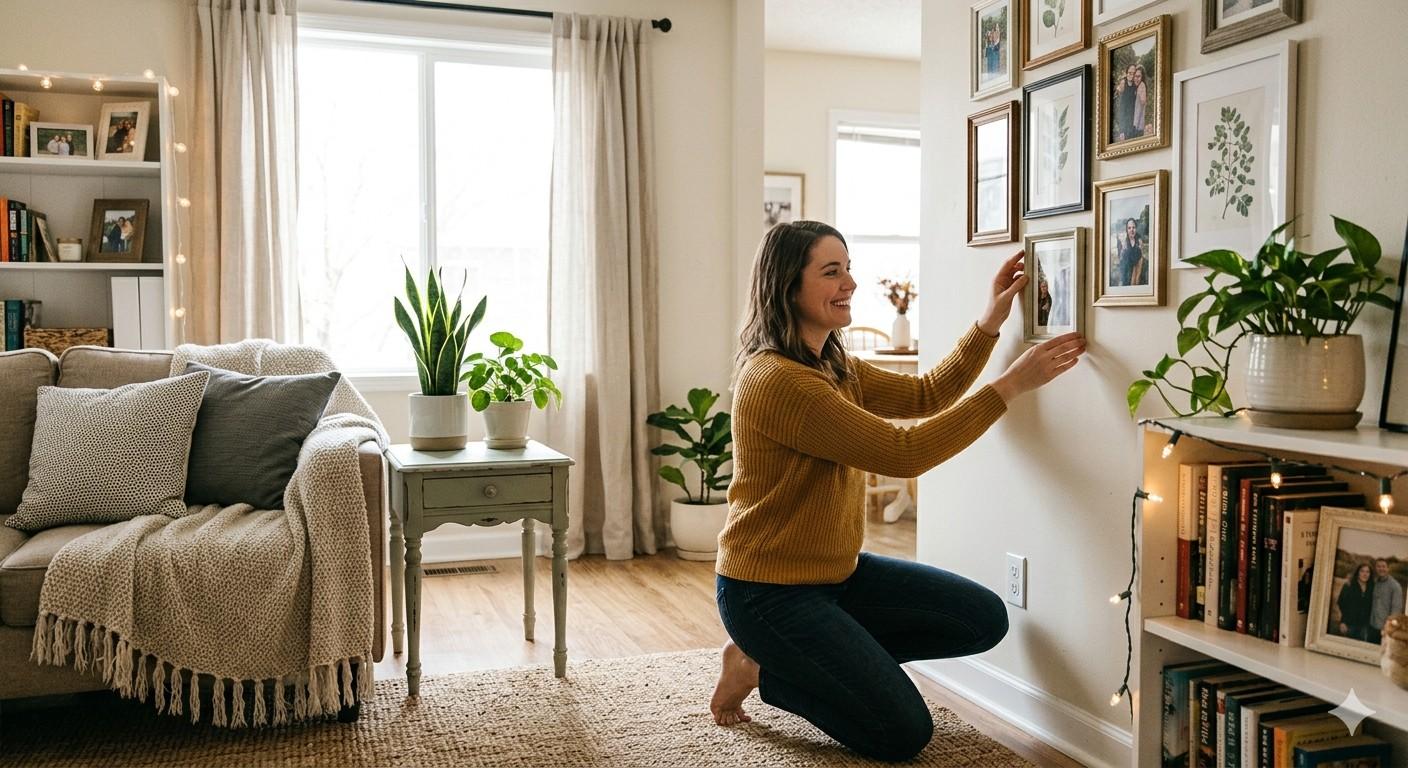
We all want a home that feels like a sanctuary, a place that looks like it jumped straight out of an interior design magazine. But let’s be honest: when inflation hits, and everyday living costs rise, spending thousands of dollars on a living room makeover just isn’t realistic. The good news is that you don’t need a massive bank account to create a stunning living space. By mastering economy home decor, you can easily achieve a high-end look on a realistic budget.
The secret isn’t about spending more money; it’s about decorating smarter. Most people think affordable interior design means sacrificing quality or settling for cheap, flimsy furniture. In reality, it is all about strategic choices, clever repurposing, and knowing where to invest your hard-earned cash.
Whether you are renting a small apartment or looking to refresh your family home, this comprehensive guide will give you actionable, budget-friendly styling secrets to elevate your space today.
What Is Economy Home Decor?
At its core, economy home decor is the art of maximizing your interior styling while minimizing your financial investment. It focuses on value, creativity, and sustainability rather than just buying whatever is trending on social media.
[ Creativity + Strategic Spending + Resourcefulness = Luxury Look for Less ]
Instead of purchasing an entire showroom set, a budget-conscious decorator looks for pieces with character, learns basic DIY projects, and uses visual tricks to make rooms feel larger, brighter, and more expensive. It is a mindful approach to styling that values personal expression over commercial consumption.
11 Practical Strategies for High-End Economy Home Decor
Transforming your home on a budget requires a mix of resourcefulness and strategic planning. Here are eleven proven ways to get that luxury look for less.
1. Master the Art of Secondhand Shopping
One person’s clutter is another person’s design masterpiece. Thrift stores, estate sales, and online marketplaces (like Facebook Marketplace or eBay) are goldmines for economy home decor.
Look for solid wood furniture with good bones. A scratched dining table or a dated dresser can be easily revived with a quick sanding and a fresh coat of paint. Look past the current color or ugly hardware; focus strictly on the shape, material, and structural integrity of the piece.
2. Swap Out Your Hardware
If you want to instantly upgrade a kitchen, bathroom, or old piece of furniture, change the hardware. Builders often install the cheapest possible knobs and pulls to save money.
Replacing basic chrome handles with modern matte black, brushed brass, or vintage ceramic knobs creates an instant luxury feel. You can find highly affordable multi-packs online, and the entire project takes less than an hour with a standard screwdriver.
3. Use the Power of “Paint Architecture.”
Paint is the most cost-effective tool in your entire home decor toolkit. Beyond just painting four walls a single color, you can use paint to create architectural interest where none exists.
- Accent Walls: Paint the wall behind your bed or sofa a deep, moody hue to create a clear focal point.
- Color Drenching: Paint your walls, baseboards, and trim the same color to make your ceilings feel much higher.
- Painted Arches: Create a faux architectural feature by painting an arch behind a bookshelf or entryway table.
4. Create Faux Architectural Details
If your home lacks character, you can easily add it yourself using affordable molding from your local hardware store. Installing simple picture frame molding (also known as box molding) on plain drywall gives a room an instant European, upscale aesthetic.
Pro Tip: If you aren’t comfortable using a miter saw, you can purchase lightweight, pre-cut polyurethane molding strips that attach to the wall using simple construction adhesive and painter’s tape.
5. Focus on Big, Bold Wall Art
A common mistake in budget decorating is hanging a lot of tiny frames on a massive wall. This creates visual clutter and makes a room feel chaotic. Instead, opt for one or two large-scale art pieces.
[ Small, Fragmented Art = Visual Clutter ]
[ One Large-Scale Canvas = High-End Gallery Vibe ]
You can create massive wall art on an economy budget by framing a beautiful piece of textile, a vintage map, or even engineering prints of your own travel photography. Oversized frames from thrift stores can be spray-painted black or gold to look incredibly chic.
6. Layer Your Lighting
Nothing makes a room look cheaper than relying solely on a single, harsh overhead light. High-end interior design relies heavily on layered lighting to create warmth, depth, and mood.
To achieve this affordably, follow the three-layer rule:
- Ambient: Your main overhead light (swap plain bulbs for warm LEDs).
- Task: Reading lamps next to chairs or under-cabinet lights in the kitchen.
- Accent: Small cordless lamps on bookshelves, or battery-operated puck lights hidden inside wall sconces.
7. Bring the Outdoors Inside
Nature is completely free, and it is one of the most effective tools for budget-friendly styling. Fresh greenery instantly breathes life, color, and texture into a sterile room.
Instead of buying expensive floral arrangements every week, step outside with some garden shears. Clip a few long, leafy branches from a backyard tree and place them in a large ceramic jug or clear glass vase. A single, tall branch arrangement looks minimalist, intentional, and highly sophisticated.
8. Invest in Textiles (and Size Up)
Curtains and rugs have the power to completely transform a room, but they can also break the budget if you aren’t careful. When shopping for these textiles, size matters more than price.
For curtains, always hang your rods “high and wide”—close to the ceiling and extended past the window frame. This fools the eye into thinking your windows are massive. For rugs, a common mistake is buying a small 5×7 rug because it’s cheaper. A small rug makes a room look tiny. Instead, opt for an affordable, flat-weave 8×10 jute rug to anchor the space beautifully.
9. Declutter and Curate
The absolute cheapest home decor strategy is removing things. A space packed with knick-knacks, papers, and unused items will never look high-end, no matter how much money you spend.
Embrace a curated mindset. Clear off your surfaces and only bring back items that have a specific purpose or bring you genuine joy. Leave some “negative space” on your shelves and tables. Allowing your furniture room to breathe makes your layout look intentional and peaceful.
10. Upgrade with Removable Wallpaper
If you are renting or don’t want the permanence of traditional wallpaper, peel-and-stick wallpaper is a fantastic solution. Use it in small doses to maximize your budget.
An entryway wall, the back panel of a bookcase, or a tiny powder room are perfect locations for removable wallpaper. It adds pattern, color, and texture without requiring professional installation costs.
11. Style with Symmetry
There is a reason luxury hotels and high-end homes rely heavily on symmetry: it creates instant visual balance that the human brain naturally associates with order and luxury.
You can easily replicate this in your own home. Flank your sofa with two matching end tables and identical lamps. Place two matching chairs opposite a couch. Arrange your mantelpiece with a central piece of art and matching candlesticks on either side. This simple layout trick costs nothing but looks incredibly professional.
Room-by-Room Guide to Budget Transformations
Let’s look at how to apply these economy home decor principles to specific rooms in your house without spending a fortune.
The Budget Living Room Makeover
Your living room is the hub of the home. Instead of buying a new sofa, refresh your current one with a high-quality linen slipcover and a few heavy, textured throw pillows (always buy down or faux-down inserts for a plumper, luxury look). Style your coffee table with a tray, a stack of large books, and a small candle to tie the room together.
The Low-Cost Bedroom Retreat
To create a hotel-like bedroom on a budget, focus entirely on the bed. You don’t need an expensive headboard. Use extra pillows to create a plush, layered look. Stick to crisp white bed linens, which always feel cleaner and more upscale than loud patterns. Add a soft, textured throw blanket at the foot of the bed for depth.
Affordable Kitchen and Bathroom Refreshes
Kitchen and bathroom renovations are notoriously expensive, but cosmetic fixes are highly affordable.
- Kitchen: Paint outdated wooden cabinets a classic color like navy or sage green, and apply a peel-and-stick subway tile backsplash.
- Bathroom: Replace an old plastic shower curtain with an extra-long fabric curtain, swap out a dated mirror for a modern round one, and display rolled hand towels in a wicker basket.
Smart Shopping: Where to Splurge vs. Where to Save
Knowing where to spend your money is the secret to successful budget decorating. If you buy everything cheaply, your home will look cheap. If you spend too much on everything, you will run out of money quickly.
| Item Type | What to Do | Why it Matters |
| Sofa / Mattress | Splurge | You use these daily. Comfort and structural durability are worth investing in. |
| Throw Pillows / Blankets | Save | These are easily replaced and can be found cheaply at discount retailers. |
| Dining Table | Save (Buy Used) | Solid wood vintage tables are cheaper and much tougher than new particle-board ones. |
| Lighting Fixtures | Splurge | A beautiful, unique light fixture acts as jewelry for a room and draws the eye upward. |
| Wall Decor / Frames | Save | Thrift stores are filled with frames that just need a quick coat of spray paint. |
Frequently Asked Questions
How can I make a cheap room look expensive?
Focus on lighting, scale, and cleanliness. Hang your curtains high and wide, use large-scale art instead of multiple small items, layer your lighting with lamps, and keep surfaces clear of clutter. These simple adjustments instantly elevate a room’s aesthetic.
Where can I find affordable home decor items?
Excellent places for budget shopping include thrift stores, estate sales, garage sales, and online classifieds like Facebook Marketplace. For new items, look to discount retailers, clearance sections of high-end stores, or DIY your own pieces.
Is DIY home decor actually cheaper?
Yes, provided you already own basic tools or can borrow them. Projects like painting, changing hardware, hanging shelves, and sewing basic pillow covers save massive amounts on labor costs, which is often the most expensive part of home styling.
How do I decorate a rental property on a budget?
Focus on non-permanent changes. Use peel-and-stick wallpaper, swap out standard lighting plates and cabinet hardware (saving the originals to replace before you move), use large area rugs to cover ugly flooring, and lean large mirrors or art against walls instead of drilling holes.
Conclusion
Creating a beautiful home doesn’t require a bottomless budget. By embracing the principles of economical home decor, you can craft a space that feels personal, styled, and incredibly welcoming without overspending. Focus on curating what you love, hunting for secondhand gems, and using smart visual tricks like layered lighting and proper curtain placement.
Take a look around your home today. Pick one small project—whether it’s clearing off a cluttered shelf, painting an accent wall, or hunting for a vintage dresser online—and start your budget-friendly transformation.
